It’s all about the antagonists

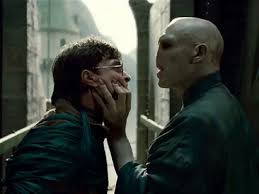
Here’s a quick question for you; who is the most important character in the Harry Potter series? The answer is obvious, right? It’s the Harry Potter series; every book is called Harry Potter and the…It has to be Harry, surely? I would argue not: it’s Voldemort. That’s not to say Harry is some dull empty vessel who’s only purpose is to be he reader’s eyes into the world. On the contrary, Harry is a great character. He’s far from being a Luke Skywalker, true blue hero who is less interesting than the folk around him. Harry is wounded and sympathetic and occasionally flawed (although I’m not sure you’d get all this by just watching the films). Harry has many qualities but he is not the main mover of the narrative: that is Voldemort.

voldyThink about it. The book begins with the apparent first defeat of Voldemort. Harry is only famous because of the fame Voldemort bestowed on him by being unable to murder him. Likewise, the Harry potter series finishes with the final defeat of Voldemort. His absence is what tells us it is all over. Harry has a life after this but the series doesn’t continue to follow him in his life without Voldemort. Sure, there may be Cursed Childs and whatnots to come but they are addenda to the story of how Voldemort was defeated.

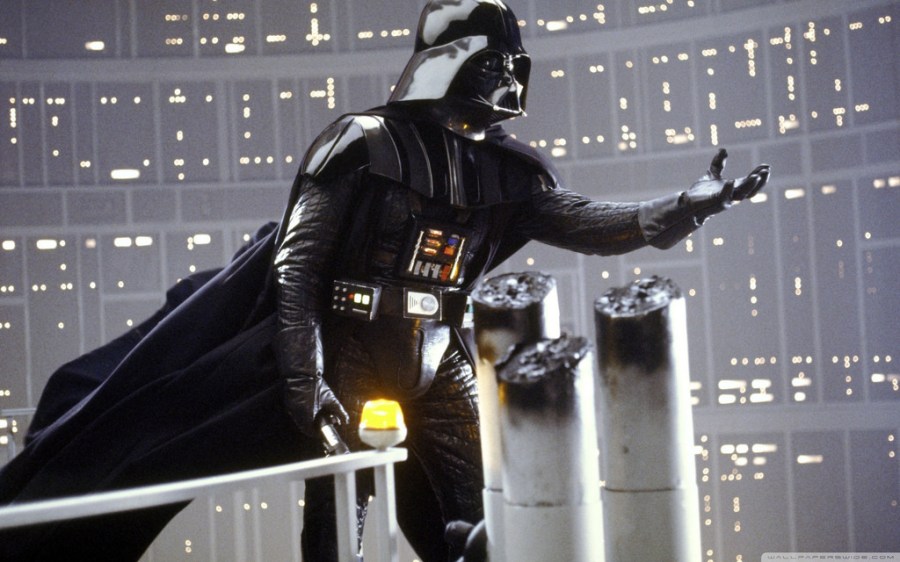
Speaking of Luke Skywalker. How interested are we in his life when there is no big bad around? The main story finishes with the death of Darth Vader. We don’t rejoin him until the reboots have another antagonist to throw at us. Likewise, it’s no surprise that we leave Middle Earth with the demise of Sauron.

I’ve been thinking about antagonists recently while reviewing the Defenders’ respective series. The broad consensus seems to be in terms of quality they go; Jessica Jones, Daredevil and then, someway behind, Luke Cage. Is it just merely a coincidence that while Jessica had David Tennant’s brilliance as Kilgrave and Daredevil had the grinding fury of Vincent D’Onofrio’s Kingpin, Luke Cage had to contend with the short-lived and nonthreatening Cottonmouth and then the silliness of Diamondback?

I’m only halfway through Iron First but the major problem so far seems to be the lack of a good antagonist. All of which makes me think, maybe it’s all about the antagonist after all. At least when it comes to sci-fi and fantasy. Other genres have other considerations. Detective novels while benefiting from good antagonists are more about the protagonist.So what is it about sci-fi and fantasy that make antagonists so important? Partly, it is that a lot of sci-fi and fantasy is about conflict against an exceptional threat. If the threat is not sufficiently threatening then defeating it is less compelling.

Another reason is sci-fi and fantasy is often (though not always) less morally ambiguous. In a fight between good and evil the only way the evil is going to be defeated is through terminal justice. There will be no accommodation or settlement. The bastard needs to die and we need (for the most part) to be ok with the bastard dying. Therefore, their death must be both utterly necessary and morally and narratively satisfying.

joffYou might argue that some fantasy is not so black and white, A Song of Ice and Fire, for example. While there may be some truth in this, the series does also provide us with some genuine hate figures for whom we will endure all kinds of suffering to our heroes just to see them get what is coming, like Joffrey and Ramsay. Equally, the Ice and Fire overarching it all pretty unambiguous. Those white walkers/Others have to be defeated.

Ah, that’s fantasy but sci-fi is different, you might argue. Sometimes there is an accommodation in sci-fi, like in the Matrix and Mass Effect. In the case of the Matrix films, they clearly cottoned on to the fact that we were more interested in an antagonist battle so they made it more about the recognisable Smith than the amorphous Matrix itself. While Mass Effect 3 has one of the worst endings ever, so let that be a lesson about deviation from the template.

Other examples? Look at Star Trek. What are considered to be the best Star Trek films? Generally, people say Wrath of Khan, Undiscovered Country and First Contact. For which we have Ricardo Molteban’s Khaaaaaaaan, Christopher Plummer’s Shakespeare quoting Klingon and, arguably the greatest Star Trek villain of all, the Borg.

For that matter, look at the series. What turned around DS9? The introduction of proper antagonists in the form of the Dominion. What was often the difference between a good Babylon 5 episode and a cringe-worthy one? Did it have the Shadows in it? In the same vein, I never really had much interest in Star Gate but I bothered with Stargate: Atlantis because the creepy Wraiths seemed like a genuine threat. Oh and lest we forget, what’s the surefire way to up the stakes in any series of Dr Who?I give you everyone’s favourite demented space nazis wailing EXTERMINATE!

It’s a lesson to all of us when we write. While we all want to give the world the next brooding hero who will show us complexity, humour and virtuoso fighting skills so far uncontemplated, make sure there’s someone out there for them who is capable of killing them and and shaping the narrative of the world they wish to terrorise. As much as heroes, villains have a challenge to answer. Let us hope they rise to the occasion.

loki


The Sinister Conspiracy: Left-handedness in fiction.

A few weeks ago the internet announced it was left-hander’s day and, predictably, people came out with articles about how difficult it was being left-handed ‘Boo, scissors are wrong’ etc. There was very little about how left-handers are depicted (and not depicted) in fiction, which is a personal bugbear of mine. In a curious way, being left-handed gives you a glimpse into what being a minority is like and what being disabled is like. This is both trivial and non-trivial.

It is trivial in that being in the left-handed minority isn’t going to get you killed or arrested or treated to abuse or violence from strangers as is the case for many minorities in many parts of the world (although it wasn’t so long ago it lead to beatings in the British school system). Likewise, contrary to those articles being left-handed in a right-handed world is not a major adjustment – we do possess right hands as well and are often quite adept with them.

Where it is non-trivial is it gives a flavour of how the world reacts to difference and diversity. For many writers at the moment this is a big topic and writers of fantasy are by no means exempt from these concerns. The way difference is treated in fiction usually falls into three forms; representation, tokenism and diversity. Thus through the lens of left-handedness and the minor insights it gives, I shall attempt to approach the topic as a whole.


barack_obama_signs_emergency_declaration_for_arkansas_1-28-09Representation

At times, I’ve been sceptical about the notion of the need for representation. What is this narcissistic need readers and viewers are deemed to have that they need to see themselves in everything? American film producers are often the prime culprits of this and, I think, underestimate their audiences in doing so. They wanted to make Harry Potter American in the films. Fortunately, JK Rowling vetoed that and lo and behold American audiences still were able to enjoy it.

Similarly, I watch a lot of American TV and films and don’t spend the whole time waiting for a British person to turn up. When I read ‘The Famished Road’ I didn’t scour through the novel hoping that a white person would appear. I expect the people who populate a particular story to be consistent with that setting and don’t need to see ‘myself'(myself being someone who shares some identity position).

There’s an easy rejoinder to this point of view, however. That’s ok for you to say when you’re in the majority and have any number of representatives in fiction. There’s a measure of truth in that which only comes into focus when you’re not in the majority. Here’s where I return to left handers.

How many left-handed heroes are there in fantasy? Off the top of my head, Tolkien has one, Maedhros, who after having his right hand removed goes on to be better with a sword in his left hand. George RR Martin does a similar thing with Jaime Lannister only he is awful with his left hand. In fairness to Martin, I believe Ayra is mentioned as being left-handed making her the only example I can easily recall. I haven’t read the majority of fantasy fiction novels ever written so it is possible there are many others but I think my sample is large enough to be indicative.

Why so few? Here comes the explanation that is most often given for the absence of diversity – realism or, more properly, verisimilitude. Lets now create our fantasy world. I’m not going to say what is right and wrong for writers here (with one exception), rather pose the questions. And yes, left-handedness can obviously be substituted for other things.

First question? Is left-handedness as common in your fantasy world as ours? If it is then something like one in ten of your characters should be naturally lefty. Are they wielding their weapon left-handed? If not, why not? In many historical cultures there had been prejudice against left-handedness and lefties were forced to do things right-handed. The Romans were possibly the worst offenders for this. Putting aside the general cultural aspect of this intolerance for a moment, what function does this prejudice have? The Romans were keen on close formation fighting and had square shields for much of their Empire. Holding a spear left-handed and shield on the right arm would create a weak point in the line exposing the man on the left and shielding the shield of the man on the right. Getting rid of the lefty seems like a sensible course in this context.

Is this the only solution? Some hoplite shields from a similar time in history were notched on either side so the spear could be thrust through left or right-handed. Another option would be to put the lefty on the end of line (or block if fighting in squares). Does your culture care enough about the exceptions to make these adjustments?

If, on the other hand, your fantasy culture doesn’t fight in close formation like the Romans, for example forest skirmishers, the imperative for everyone to fight from the same direction disappears. In general, in a world where the majority fight right-handed, being left-handed is an advantage. Therefore, if it doesn’t undermine a formation, it would disadvantageous to force your fighters to suppress their natural preference. You may still wish to insist on this but then you need to bring in issues of intolerance rather than practicality to explain it.

I suspect lack of representation of left-handedness in fantasy broadly stems from two sources. One, the writer is themselves right-handed and has never given it any thought and two, their fantasy cultures are largely reminiscent of historical Earth cultures and transplant their attitudes to left-handedness into the bargain. There’s nothing inherently wrong with this latter position but would it hurt to put in an occasional reference such as the character having a stronger shield hand than normal? Just as a note, if you do decide to make that reference don’t make it that the character is a liability or cack-handed. We get enough of that crap already (and it’s almost always untrue).

Tokenism

Tokenism is different from issues of representation in that in this example the writer/screenwriter has made an effort to include or make reference to the minority but has done so in a way that is shallow or unhelpful. If there’s one thing worse than being represented it’s being represented in a way that negatively stereotypes. Frankly, I’d rather there weren’t any more British characters on American TV than have another effete aristocrat speaking like they’ve walked out of the 1920s show up. Or football hooligans either. There are plenty (I dare say the overwhelming majority) of British people who are neither of these things.

Left-handers fare no better. When do we get a mention? In crime stories, of course. Left-handedness is used as a gimmick to help catch the killer, the killer almost always being left-handed in these cases. Dammit, my sinister plan ruined by my sinister hand. The only other example I can bring to mind is an episode of CSI where Grissom concludes that the victim’s work space has been interfered with because the mouse was on the right hand side. The episode then goes on to helpfully inform us of the many left-handed Amercians who die every year using equipment the wrong way round. Sorry, Grissom and your great detective skills but I don’t know any left-handed people who have the mouse on the left-hand side (see earlier point about being able to use our right hands). Another classic is which wrist the watch was on not matching handedness. It doesn’t? Maybe that’s because people don’t always follow that rule.

The problem with tokenism is that is rarely has a function beyond merely acknowledging the existence of a group. Little to no attempt is made to integrate that aspect of the person in a wider character or even to suggest they have a character beyond that particular aspect. In the case of lefties we are boiled down to murderers and being unable to adapt to a right-handed world, which ironically is actually something we’re generally pretty good at (the functioning not the murder although I’m sure we’d do a great job of that too if we put our lateral-thinking minds to it).

final_challenge_international_de_paris_2013-01-26_193155Diversity

How do you represent and get beyond tokenism? I think the major pointer here is about your motivation for including difference in your story. If you are including difference because you feel you ought to and it will make someone happy then it’s probably going to be a struggle to pass through tokenism because in essence that’s what you’re doing.

The most compelling reason I can think of to include difference and diversity in a story is that it is simply a better story and richer world for doing so. We don’t want to travel to a place that is the same as the one we left. We don’t want every new person to look and think exactly the same as the ones we already know. We wouldn’t survive as a species if everyone was attracted to one type of person.

In the case of left-handers, I think this works on an aesthetic and interest level. In sports, I always like the look of seeing a left-handed tennis player against a right-handed one or the field and tactics in cricket having to be readjusted for the left-handed batsman coming in. This can easily be transposed into fiction; the challenges of facing a left-hander in a duel or the particular advantage for a lefty fighting up a spiral staircase.

Left-handedness, like any difference, brings a new set of challenges and story-telling opportunities. As writers these are gifts that we should relish. Instead of contemplating how to bring diversity into our stories we should use diversity as a starting point and be grateful for the layers of complexity it provides.


Hey, they’re not supposed to die!

First up….MASSIVE SPOILERS FOR ANYONE WHO HAS NOT SEEN GoT 6 08/READ DANCE WITH DRAGONS.

Ok, we’re happy now, yes? You realise what’s coming? Great.

Here’s some names off the top of my head (I’m sure westeros.org  has a much more comprehensive list) S1  – Mago, s2 – Irri, Xaro Xhoan Daxos, Rakharo, s3 – Greatjohn Umber, s4 – Grenn, Pyp, Jojen Reed, s5 – Stannis, Shireen, Mance Raydar, Barristan Selmy, Myrcella s6 – Doran Martell, Trystane Martell, Areo Hotah, Brynden ‘Blackfish’ Tully, Shaggydog, Osha, Summer, Hodor, Jorah Mormont (arguably), Roose Bolton and Walda Frey.

What do all these characters have in common? They are all (as of 608) dead in the TV show Game of Thrones and (as of Dance with Dragons) still alive in A Song of Ice and Fire. This is curious because of any criticism one might make of George RR Martin’s fantastical world, that he doesn’t kill of enough of his characters is not one. Why the disparity and what effect does it have on the story?

It’s fair to say of this list not all are equally inexplicable so (based purely on my own speculation) I’m going to separate them into different categories; dead men walking, not like this, herd thinning and bodycounters.

Dead (wo)men walking or It is known

These are the characters who we haven’t seen (in an imaginary sense) die yet in A Song of Ice and Fire but who will likely meet their end much the same as on the show. The first name that leaps to mind in this group is Hodor. When I saw that play out I thought it had Martin’s fingerprints on it and duly that was later confirmed. I would also just about put Jojen Reed in this group too as I think narratively speaking he will die in pretty much the same place, if not the exact same manner.

Just about sneaking into this bracket I would also include Shireen Baratheon. I’m not sure that in the books it will be by Stannis’s order but I think she is for the flames nonetheless. However, if it is not under her father’s command then she should be pushed into the next category for reasons that will become clear.

There’s not much to write about the It is Knowns because their role is much the same. Some would say they constitute spoilers, I tend to think at this point anyone watching the show hoping that nothing of the books is going to be revealed is probably deluding themselves.

Not Like This

Insert your Matrix gifs here.

This group is of characters I expect to die but not in the way it is shown on GoT and why the different ending makes a difference. The least important of these is probably Mago. Do you remember him? Khal Drogo ripped out his throat in Season 1. It was someone else in the book and Martin is insistent that Mago is due to have a significant role in future instalments. My guess is that he will play the same role as Khal Jhaqo’s bloodriders in the current season and this is simply a case of giving a different name to a character. I could be wrong but until I know otherwise I’m happy to let this one go.

Stannis I would include in this particular category. For the story to advance, Stannis has to die and it seems likely it will be in the North. However, I’m pretty damn certain Martin’s battle won’t consist of charging a load of weary infantrymen in loose formation against the riders of the Rohirrim who have suddenly and inexplicably flocked to the Bolton banner. Likewise, I’ll be shocked (and not in a good way) if Brienne conveniently arrives to deliver Stannis his death blow. I could be wrong but that felt more Hollywood than Westeros, where neat vengeance is rarely delivered. In Martin’s world, punishment is usually meted out by those with no claim to deliver it. Think Ramsey on Theon and Vargo Hoat (Locke on TV) on Jaime.

Whatever fate lies in store for Stannis I imagine it will be a little more complex. If it turns out not to be him who orders Shireen to be burnt then that would reinforce my suspicion that he was made responsible for that so viewers would be OK with killing off a major character in a fairly summary fashion. Certainly they did seem to rush to the end of his storyline.

Myrcella is another whose fate will almost definitely play out very differently. If we accept that the prophecy about Cersei’s children is true then Myrcella will die at some point. That is where the similarity likely ends. Everything Dorne post-Oberon has been horrifically misguided. The Sand Snakes are miscast and badly written. Ellaria has had a complete personality transplant and the whole plot line makes no sense whatsoever.

The result is Myrcella won’t die on a ship with Jaime because Jaime was never supposed to go to Dorne. It makes zero sense for the Sand Snakes to kill her because they were trying to make her Queen. Even if later developments that were never shown on TV pan out, she would still be betrothed to their cousin. In short, I expect little to no resemblance to what we have seen on our screens.

This matters because having Ellaria/Sand Snakes kill her is what led them into the current storyline where  having gone directly against his wishes they would have to be executed or be in open rebellion against Doran and…well, we’ve seen how that turned out.

I’m just about persuaded to put Jorah Mormont and Barristan Selmy into this group. In Jorah’s case, he’s been such a major character that I can’t think the showmakers would give him a death sentence unless he had no more role to play. The fact that they’ve cut and pasted John Connington’s fate onto him means that should he die it will definitely be in a completely different manner.

Similarly, while Selmy may or may not be long for Martin’s world it is clear that he won’t die at that point because he is still alive way beyond it, partaking in vital acts in the defence of Mereen. In his case I feel the premature departure has had a negative effect. Another senior figure in Mereen would make it look a bit less like everything is being done by three people in an empty pyramid. The only reason I don’t put Selmy into the herd-thinning category is that if he is to die in the books it’s probably fairly soon.

Lastly, I’m just about persuaded to put Roose and Walda in this group. Like with Stannis, Roose has to die for the plot to move forward and in A Song of Ice and Fire, people are rarely merciful to the families of the deceased. I’m not convinced his end will be as mundane as being stabbed in the stomach by Ramsey after dropping huge hints that he means to set him aside.

Herd Thinning aka We have a budget

The deaths I would describe as herd-thinning are where a character is killed on the TV show and there is no particular reason to think that character is about to die or their death was at least premature for no good in-world reason. These deaths are better explained by budgetary constraints, actor schedules and a general desire to keep the cast numbers in check both for cost and simplifying things for the viewer.

Rakharo (who seems to be an amalgam of Jhogo and Rakharo from the books) seems to have been killed off because the actor had a scheduling conflict. Presumably, if not he would have remained as the visible representative of the loyal Dothraki going on. It may have been the same with Clive Mantle (Greatjohn), although his lines and personality were fused on to the Blackfish from Season 3 onwards.

On the matter of the Blackfish, given that he is explicitly still alive and active in the books beyond the siege of Riverrun I can only think the showmakers considered him an expense they could do without (unless he is to take the place of Un-Cat).

Herd-thinning is the only reason I can think of that would explain the terrible plot decisions of the Dorne storyline. By killing off Doran and Trystane they have closed the door on a number of developments in that region, which to me says they wanted to give the viewers a reason to think Dorne is out of the picture now. Areo Hotah is just more collateral damage in this sense.

Last but by no means least in this group are the direwolves Summer and Shaggydog. They may die in the books but given how much they’ve been shoved to the side because CGI is expensive it’s hard to discount the possibility that this was a motivating factor in killing them off.

Bodycount

The last group includes Osha, Gren, Pyp, Irri and Xaro Xhoan Daxos. Each of these characters was killed not because they are set to die imminently but simply because of the drama their death would give to particular moments. In the case of Pyp and Gren this works. Pyp’s end heightens Sam’s jeopardy while also showing how far he has come as a character and Gren takes the place of a character not seen in the show. His death was done to make people care about a moment that deserves to be cared about.

Irri was killed to heighten the sense of danger in Qarth and in this case it didn’t work at all. The stolen dragons storyline was a major misstep and killing Irri to enable it was a waste of a character and an actress. It also cut much of Dany’s link to the Dothraki and made her entourage too light subsequently. It’s arguable that her role is filled by an aged-up Missandei but they are very different personalities and I can’t see that Irri’s presence wouldn’t have added more.

At the other end of the dragon theft storyline is Xaro Xhoan Daxos. Given that he’s a completely different character on the show to the book version his loss isn’t that important and probably preferable. The presence of the changed character was more problematic as it was integral to the deviations that undermined Dany’s season 2 arc.

Finally, Osha. She might die but I hope if she does it’s handled better than on the show. Another knife stabbing with little build up and zero reflection afterwards. She might as well have been a guest appearance. It’s possible that she was taking the role of one of the spear wives from the book but that doesn’t seem like a great reason to kill her.

Does it matter?

As with most questions, it depends. In the first group not at all. In other cases, as a book reader every time one of these deaths happen you see future storylines and scenes dying before your eyes. That is easier to take some times than others. Not including Arianna Martell is one thing. Bringing in Dorne then changing its course completely is quite another.

When you know you’re not going to see something you’d hoped to see it’s important that you’re given it in such a way that you can accept its loss. When things are edited for content you can always think it happened it just wasn’t shown. So in the Lord of the Rings films, for example, the scouring of the Shire could have happened (in the cinema release version), Tom Bombadil could have happened, the appendices could have happened; we just didn’t see it. There’s no way to undo aberrations like Osgiliath, unfortunately.

For the show watcher who hasn’t read the books and never plans to you can argue that it doesn’t matter at all. After all, if they had no expectations then there is no loss. However, as with any death if it is done without good reason it notices. I generally watch Game of Thrones with non-book readers and when a death doesn’t seem part of the story they tend to be taken out of their suspension of disbelief, frown and ask ‘does that happen in the books?’. They also ask this with stuff that’s in the books but usually after the end of the episode because they are still invested.

I appreciate that Game of Thrones doesn’t have an unlimited budget and my complaint isn’t with that. In fact, if I have a complaint it is directed at TV and film in general. Deaths of established characters can be very effective in drama. It’s important that it is never used cheaply and when that character has more stories to tell that will now never see the light it is all the more important the reasoning is sound.



Writing: Fiction vs Reality

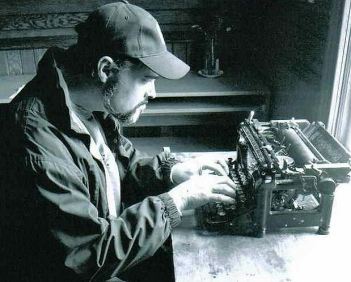
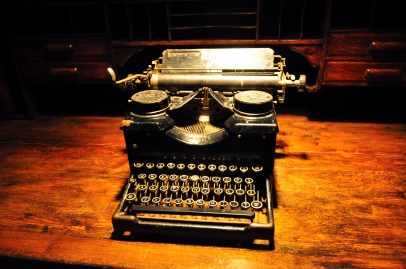
Writer_JohnThink of a writer at work, go on…What’s the first image that comes to mind? It might be a man or woman, more probably a man because on film and TV (contrary to reality) writers are almost always male – female writers are usually journalists or diarists, and they will be huddled over a typewriter furiously tearing away unwanted pages and throwing them in the bin until the manuscript arrives as a neat stack.

On their desk there may be the odd note and a bottle of whisky (or a hip flask stashed into the top drawer if drinking is meant to be their issue) and as their eyes look up they may alight upon a strategically placed framed picture alluding to some past (possibly tragic) event, a hunting or mountaineering photo or group shot with army buddies or maybe a long-lost love. Hank Moody meets Ernest Hemmingway.

Or if your point of reference isn’t TV and film – a strange thought I do concede – you might imagine someone younger and well-dressed tapping away at an expensive laptop in a trendy cafe, an enigmatic smile threatening to break out over their face as the inspiration starts to flow in between sips of their impeccably prepared (insert name of fancy type of) coffee.

Now I can’t and wouldn’t wish to speak for all writers but that doesn’t ring true of my experience. For one, as the previous paragraph no doubt revealed, I don’t even drink coffee. My workspace isn’t a lodge or a beachside retreat or the great outdoors where I pen things into my extensive journal; it’s my bedroom. When I look up from my screen, I see another screen because sometimes I need two and there is nothing neat about the arrangement of my notes because sometimes I need to look at several pages at once. My desk doesn’t so much scream ‘writer’ as ‘potential fire hazard’.

So here follows a few things that I have heard or seen about writing that simply don’t match my experience. That’s not to say they won’t for you, perhaps you’ve reached that magical place, but I suspect that many writers would have similar variations.

Typewriters

I, like most people, haven’t used a typewriter since the 1980s and then only as a novelty. They are not ‘more authentic’ they are hard work and, given that we can now word process on a computer, needlessly so. Quite literally, I don’t know any writers who insist on using a typewriter because why would you? I know lost and stolen manuscripts make for convenient drama; in the real world a lost manuscript would be utterly and completely heartbreaking for a writer and for very good reasons you try to avoid that being a possibility. When most writers lose work it doesn’t involve chasing dogs or tracking down your jilted lover, it is comprised of clicking on a file then letting out a long and very repetitive litany of swear words, possibly followed by tears.

Cafe culture

workplace-480222_960_720This may be a controversial one because I’m sure writers do frequent cafes and do write things down there. In my experience, however, cafes are far too busy, noisy and distracting to get deeply into a novel in those surroundings. Making notes? Doable. Writing a blog? Sure. Putting in the hard grind? I’m less convinced but I accept that others may be better at blocking out the distractions than me. Likewise, they may not be bothered by paying for all those drinks and eating out twice a day. For me that’s an unnecessary expense.

Most of all though, what cafes lack for me is easy access to my notes, which as I’ve stated I like to spread out quite a bit, and the opportunity to roam. I find sitting down for long stretches a challenge. Pacing around, gesticulating and acting out action scenes are pretty good ways to get yourself sectioned when performed in the tight spaces between tables of your local coffee joint. At home it only gets noticed by your family or housemates and that’s fine; they probably already know you’re crazy.

The Retreat

Don’t have one because 1) I’m not enormously rich already and 2) I live in Britain. In a sense these two reasons are almost the same thing given what property prices are like here. Anywhere affordable that’s truly away from other people is probably not a property suitable for writing. Not unless you can get broadband in your tent or feel comfortable working in a derelict factory for the two weeks before it becomes a luxury apartment or chain store.

Maybe that’s how the whole writers-in-cafes thing got started. There they were minding their own business in a nice, quiet slum and suddenly cappuccinos sprung up around them, consuming them in gentrification too pleasing to escape.

The writer’s lifestyle

If there is something in common where all depictions of the writing lifestyle all feel false is that they show writing as a lifestyle. In my experience, writing isn’t a lifestyle it is part of your life and you try to fit it into your existing life any way you can. If you wanted to show the reality of a writer’s life, quite often you would show them at work, possibly doing something that has almost nothing to do with writing.

There would be no retreat; their workspace would be wherever they could put their computer and their notes in one place. Instead of crazy adventures, a lot of the time the writer would be opting to stay in glad of a rare space of hours when they can get down to doing what they love.

wblockOn that subject, fiction has a lot to answer for too. In popular culture writers have two modes: inspired and blocked. The truth is that the majority of the time they will be somewhere between the two. This is inevitable. Writing 100,000 words plus takes time and if you only wrote when inspired you’d never get to the end.
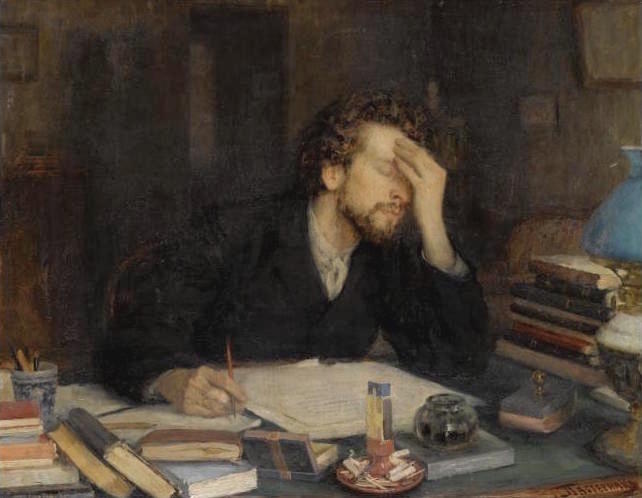
By the same token, writers block is rarely anything like what it is shown to be, namely the writer staring at a blank page for hours on end. Not writing looks much the same as procrastination does for anyone else – doing anything other than the thing you are supposed to be doing. If you are actually able to force yourself to stay at the keyboard for a long period and not get distracted then you almost certainly will write something.

At the end of reading this you might conclude that a writer’s (or at least my) life is quite mundane. There is a certain amount of truth in this, the observable process of writing is often not that exciting. It is hard work that requires a commitment of many hours sitting in front of a screen.

That is not to say it not rewarding. The beauty of writing is the words and the stories that come out; the product is what transcends the ordinary and hum drum. Most writers don’t have hugely exciting external lives because it is on the inside that all the action is happening. When you read our tales you’re reading about places we’ve been, dangers we’ve endured, struggles we’ve overcome and loves we’ve won and lost all within the confines of our heads. Frankly, real life can have a hard time living up to that.

The moral of this particular story is this: you don’t have to surround yourself with the artifice of being an interesting person to be an interesting person. If you are a writer (probably if you’re a reader too) you already are an interesting person with far more compelling things going on in your head than any amount of lifestyle trappings can conjure. While the idea might have some appeal, don’t worry about not being Hank Moody or Ernest Hemmingway. After all, their writing lifestyles are also works of fiction.

landscape-mountains-nature-mountain

Writing: It’s not all about the word count.

writerWhen you tell people you’re a writer there are some questions that almost always get asked. The most annoying is ‘do you have a publisher?’, not because of the question in of itself but the reaction to anyone who says no. That ‘ohh’ with declining intonation and the subsequent changing of topic is well-known code for ‘so you’re not really a writer then?’ Musicians don’t get this reaction when they say they’re not signed to a major record label yet.
In any case, I digress. When people choose not to be annoying, there are two questions that are more common than all others. Number one is ‘where do you get your ideas from?’. After that, the favourite interrogative is, and this one usually comes from the genuinely interested, ‘how many words do you write in a day?’.

I’ve had this discussion with other writers and read some things on the topic and I have to say I find a lot of it very curious. You see things like Somerset Maughan supposedly saying he wrote 600 words a day without fail. I find that somewhat implausible but it may have worked for him, I can’t say.

Now I’m not claiming to be a writing God or some such but I can fairly say that I’m well versed in putting words on a page. In one series of books, I worked out I’ve already written over a million words, so whatever other failings I may have, prolificity isn’t one of them. All the same, when writer friends of mine ask me how much I aim to write in a day I feel that it is in part the wrong way of looking at it.

I understand the need for a metric. We want definitive proof of progress and a word count provides that. Over a longer period of time, I too set myself word count targets as a way of making myself really get down to the discipline of putting in the hours. Likewise, word counts can give you a fair estimation of how far into a novel you are or even at what point you should finish it. Word counts can be useful; just not on a daily scale.

Why do I think this? For one, not all words are equal. Which words are easy and which are difficult may vary from writer to writer. Personally, I find dialogue reasonably easy to write. Therefore on a day when I’m writing dialogue I can probably get a high word count without much trouble. Other things take more work. Action scenes can be exhausting to write and often you can spend a lot of time on choreography to see if what you’re writing is actually physically possible or plausible. As a result, word flow can be choked.

typewriterEqually, some chapters are more difficult than others. I get chapter block far more often than full-on writer’s block. I can always write something just not always where I need to write it. Those 300 words you bled to get out may be the ones that bring a breakthrough and get you to a part of the story where the flow becomes much easier again. They are the chiselling that produces cracks in the wall of inertia.
By the same token, not all days are equal and this is where arbitrary daily goals become most absurd. If I wrote 1,000 words a day, every day without fail that would mean there would be many days where I have to stop mid-flow and many where I have to exclude all other life just to get them done. Neither makes sense. Writers have to be human beings too.

I understand that daily goals are about discipline. I just think that there are better ways to employ that discipline. If word count is your sole measure of productivity what do you make of those days where you get a lot of research done? What about the days where you write a ton of notes and plan out chapters to come? Both of these can be the platform that launches you into another cycle of creative outpouring but they may very well be days where you increase the word count of your current chapter by a sum of zero.

None of this is to say that judging yourself by word count is without merit. Just as the person who has made the choice to eat less and do more exercise may well find their weight goes down, so too is there a correlation between word count and overall success. By the same token, weight loss is only one way of looking at progress and in of itself might not be that meaningful, so on an individual day it might be with your word count.

What then can you use to apply discipline to yourself if you accept that word counts might not be the thing? Where I think the aim of a daily word count is going right is that it recognises that writing a novel is a labour that you have to stick at and put into most days, certainly all the days you can. Instead of focussing on the number alone, it is equally useful to think about how much time you are putting in. Likewise, effort is harder to quantify but you know when you’ve expended it. Any day where you’ve dedicated yourself with all your energy to making what you’ve written better than it was yesterday is a day you’ve been a real writer.

In the end, the way to be a writer is by writing things. It can be a slog, it can be isolating and can often feel fruitless but if you persist you’ll get to the end of the story. How you get there each day is a matter of what works best for you.

Long-term, word count matters. Generally, if I’m working full-time on a novel I do average about 1,000 words a day, on average being the important point.That average will include crazy days of 9,000 words done and painful days of a few hundred. It will also include days where I went for a walk or watched TV instead.

It’s right to treat writing as a job but what kind of job never gives you days off? Of course, there is a flip side to this: few jobs give you more than two days off a week. So if you’re a writer and this is your third day on a break, stop worrying about the word count and get back to work.

writing field.jpg

Am I getting more childish or has childish got more mature?

I went to see Captain America: Civil War last night. Nothing wrong or strange in that by itself, but then I thought about the last few films I’d seen at the cinema. Before this it was Deadpool and before that it was Star Wars. Two comic book adaptations and a family film. Going back further, the last film I saw that wasn’t a comic book film or a family film was The Martian, a sci-fi film.

Still nothing wrong with this. Thanks principally to the cost of a visit I don’t visit the cinema very much any more so when I go, I want to be guaranteed to be entertained. Seeing something that may challenge me or not be to my tastes is more of a risk when there’s the best part of £20 on the line.

So then I thought about TV. Currently, the two shows I’m watching most are Game of Thrones and iZombie. Again, both somewhat genre. Over the last few months, I’ve also eagerly consumed Daredevil, Jessica Jones and Gotham – three more comic book conversions. Bear in mind this is from someone who is not a comic book reader (send your hate mail to no1 Noteveryonehastolikeeverything). That same description can be levelled at many of my friends who have also enjoyed these shows. So what, one might ask, is up?

I think the answer is partly about me and partly about what is is we consume. I’ll address the first first because it’s easier. I’m something on an expert on myself.

When I was in my late teens studying English literature at A-Level, I voluntarily tried to read a number of classics. I switched genres and read things out of my comfort zone. At the same time I was happy to go to art house cinemas and watch indie films about a dysfunctional family in the mid-west (as I write this I’m not entirely convinced that wouldn’t have bored me then but the point stands). Scenes of actors looking out silently at the landscape seemed to hold meaning for me then.

Now in my thirties when I’m supposed to be sensible and mature I just don’t have the patience for this any longer. I tried to watch the much-critically acclaimed The Master a few years ago and was almost to the point of tears for the lack of plot or action. Cohen brothers’ films seemed to send me to sleep. As for challenging documentaries, I can honestly say there’s enough depressing stuff in my head already. In short I have become a total pleb.

These days entertainment is paramount in my entertainment and this is one of the reasons genre films appeal. They don’t waste my time, usually. They have a plot and they have action and, most of the time, they have a resolution. I don’t have to spend time afterwards wondering about the meaning of what I just saw or interpreting what the message was. My post-game analysis focusses on whether I enjoyed it or not. In a sense, in a life with a job and worries and writing as my creative outlet I can only spare so much brain-space for films as well.

With TV I think it is slightly different. In a post box-set revolution world of binge-watching streaming services, TV has changed. TV has become more like novels with long narrative arcs and plenty of time for reflection. Actors can now stare out into space because they’ve got another 9 hours to do the action stuff. Contrary to films, it doesn’t feel like eating up valuable time.

TV has also become emboldened and a lot of what we’re watching now just wouldn’t have been made previously. Budgets weren’t forthcoming as they now are and this is another reason I think we have so much genre TV now. Fantasy used to look naff and cheesy on TV because they hadn’t paid for it to look otherwise. The acting was hammy because good actors couldn’t be lured to do it. It’s less embarrassing to watch Game of Thrones than Hercules, principally, because it’s a much higher quality product.

Now we are in a virtuous cycle for genre pieces. They get more money and make something good, because it’s good it gets more credibility; with credibility more quality actors, directors, writers etc get drawn to these projects and they are consequently better, starting the cycle again. That’s why, my decreasing maturity notwithstanding, I’m not alone in watching about dragons and superheroes.

Is there a downside to any of this? Simon Pegg wrote an interesting piece a while ago about how as adults we are having our childhoods sold back to us to keep us infantilised. There’s a lot of truth in this. Many things that used to be for kids now successfully populate the adult world. You see people who were once considered too old for it getting excited about Dr Who, lining up to watch the latest Star Wars film and openly discussing which superpower they’d have. The average age of a gamer is 35 not 15, as all non-gamers would love you to believe. People proudly instagram themselves at conventions, where before it might have been a guilty pleasure. Fear of being labelled a nerd isn’t what is used to be.

All this might be more concerning if genre pieces were cheap and unthinking. Fortunately, this is increasingly not the case. If you see a number of films this year, the dumbest one you see won’t be a genre piece in all likelihood. Increasing success has led to increasing confidence and genre TV shows and films are more prepared than ever to ask deep questions. Having a costume doesn’t mean you can’t have the same existential trials as someone in a beret and turtle neck.

What if this is the only place people are finding this though? Is it not a bad thing if we are substituting real intellectual rigour for their slick, simplified versions in entertainment? Yes, thinking a little should not be a substitute for thinking a lot but I’m not sure it works that way. Most the people I know who love genre are also highly-engaged, informed and politically active. Ultimately, if dumb fun becomes a little less dumb then that’s a good thing. After all, I was never going to watch a documentary tonight anyway.

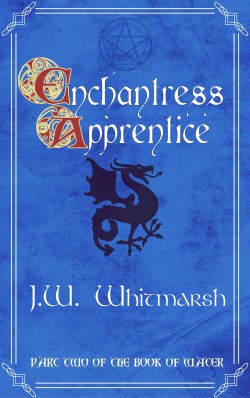
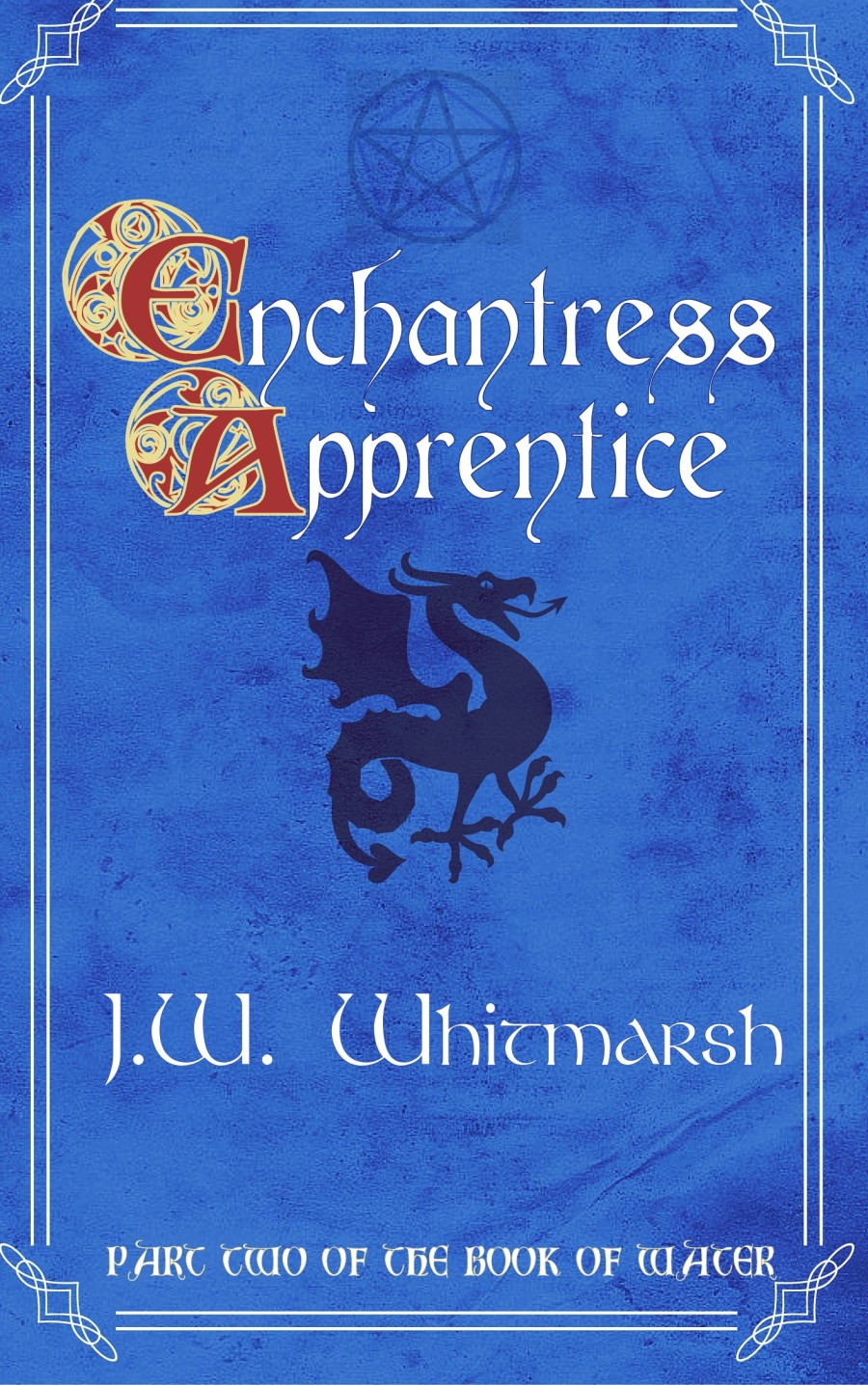
Where is the Dragon? New Edition for Apprentice released!

Yes. The spellbound edition for Enchantress Apprentice is now available on Amazon. Click on the link below to find it or go to this page to choose between the spellbound and stone editions of the book. Dragonard2

Links for spellbound edition by country;

US, UK, Can, Aus, Fra, Ita, Ger, NL, Ind, Jap, Bra, Esp, Mex

What kind of wizard are you? – A Quiz.

Ever wondered what kind of wizard you would be? No, we not talking sorting hats here, we’re talking about how your personality and power would come together. In the Book of Water (Enchantress Trilogy) by our author JW Whitmarsh there are four different kinds of wizard; enchanters, illusionists, seers and druids. Each have distinct approaches and perspectives but, ultimately, it is the person inside who shapes how the wizard comes to their power.

After a quick word from the author find out where you would sit

Nexus-Fiction: We’re trying to decide what kind of wizard people would be if they were born gifted in the world of the Elemental Cycle. Maybe we should start with some famous examples.

JW Whitmarsh: OK, but bear in mind this would mean they would have to be limited by the lore of my world. You can’t really dump a character from another world into a distinct fictional construct cohesively.

NX: Indulge us.

JW: Very well.

NX: Right. Let’s start with a biggie. Gandalf?

JW: Difficult. I think you’d have to treat Gandalf the Grey and Gandalf the White differently. Gandalf the Grey seems to have an affinity with fire magic principally, which says enchanter, but he also does defensive wards and shields in the manner of a seer. I’m going to say seer with exceptional skills in elemental charms. Gandalf the White on the other hand is all about light magic and in the Elemental Cycle world he’d probably be a summoner like Loreliath, but that’s not an option in this test.

NX: Alright, Merlin?

JW: The recent TV Merlin on BBC seemed to be a seer mostly but if we’re talking about the Merlin of legend he would definitely be an illusionist.

NX: Prospero?

JW: He is quite controlling and gets others to do his bidding a lot so I’d say he’d be an enchanter.

NX: Who’d be a druid?

JW: Radagast the Brown would fit very comfortably into the druid role, I think. Or Herne the hunter.

There you have it. Now it’s your turn to decide what you would be.

Question 1: If you had to face one of the following, which would you LEAST want?

  1. Going blind
  2. Losing both hands.
  3. Losing sense of taste and smell
  4. Going deaf

Question 2: It’s raining hard outside and you want to pass the time. Pick the game that would amuse you best.

  1. Poker
  2. Chess
  3. Blackjack
  4. Dominoes

Question 3: Your bedroom is drab and spartan. You can cheer it up with one thing, which would you choose?

  1. A teddy bear
  2. A plant
  3. A ceiling painting of the stars
  4. An encyclopaedia

Question 4: You have to go onstage and entertain a crowd for a short time. What is your act?

  1. A Stand-up routine
  2. Juggling
  3. Magic tricks
  4. A poetry recital

Question 5: Which danger sign would most likely adorn your workshop.

  1. 1024px-Flammable-symbol.svg 2. electricity 3. 2000px-WHMIS_Class_D-1.svg.png4. 2000px-Danger_radiation.svg

Question 6: You’re worried about security for your home, which do you invest in?

  1. A state-of-the-art alarm system
  2. Beefing up the neighbourhood watch
  3. A guard dog
  4. Hidden traps

Question 7: Which of the following phobias bothers you LEAST

  1. Crowded places
  2. Spiders
  3. Heights
  4. Snakes

Question 8: You’ve got some time to relax, what do you want to do?

  1. Take a walk in the park
  2. Visit an art gallery
  3. Listen to classical music
  4. Have a massage

Question 9: You have to commit a bank robbery and want to use as little violence as possible, how would you go about it?

  1. Fill the bank with smoke and set off the fire alarm to get all the employees out first.
  2. Hack the security cameras so you can pass by unseen.
  3. Convince the bank manager that you have his family hostage
  4. Pump a sedative into the air conditioning to send everyone to sleep

Question 10: You are in fear for your life, how will you protect yourself?

  1. Find a vantage point from where you can see anyone approaching.
  2. Escape to deep within the forest
  3. Surround yourself with the best guards you can find
  4. Retreat into a cave network that you know intimately

Answer Time.

Add up the following scores for each question. Pens and pencils ready.

1: 1)d  2)b  3)a  4)c        2: 1)d  2)c  3)b  4)a    

3: 1)b  2)a  3)d   4)c       4: 1)b  2)c  3)d  4)a

5: 1)b  2)c  3)d  4)a       6: 1)c  2)b  3)a  4)d

7: 1)b  2)d  3)c  4)a       8: 1)a  2)d  3)c  4)b

9: 1)d  2)c  3)b  4)a        10: 1)c  2)a  3)b  4)a

Mostly As Click Here     Mostly Bs Click Here    Mostly Cs  Click Here     Mostly Ds Click Here


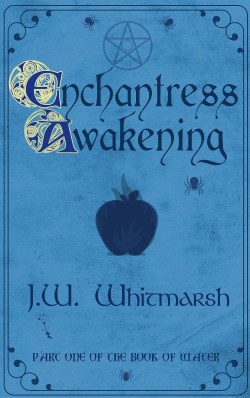
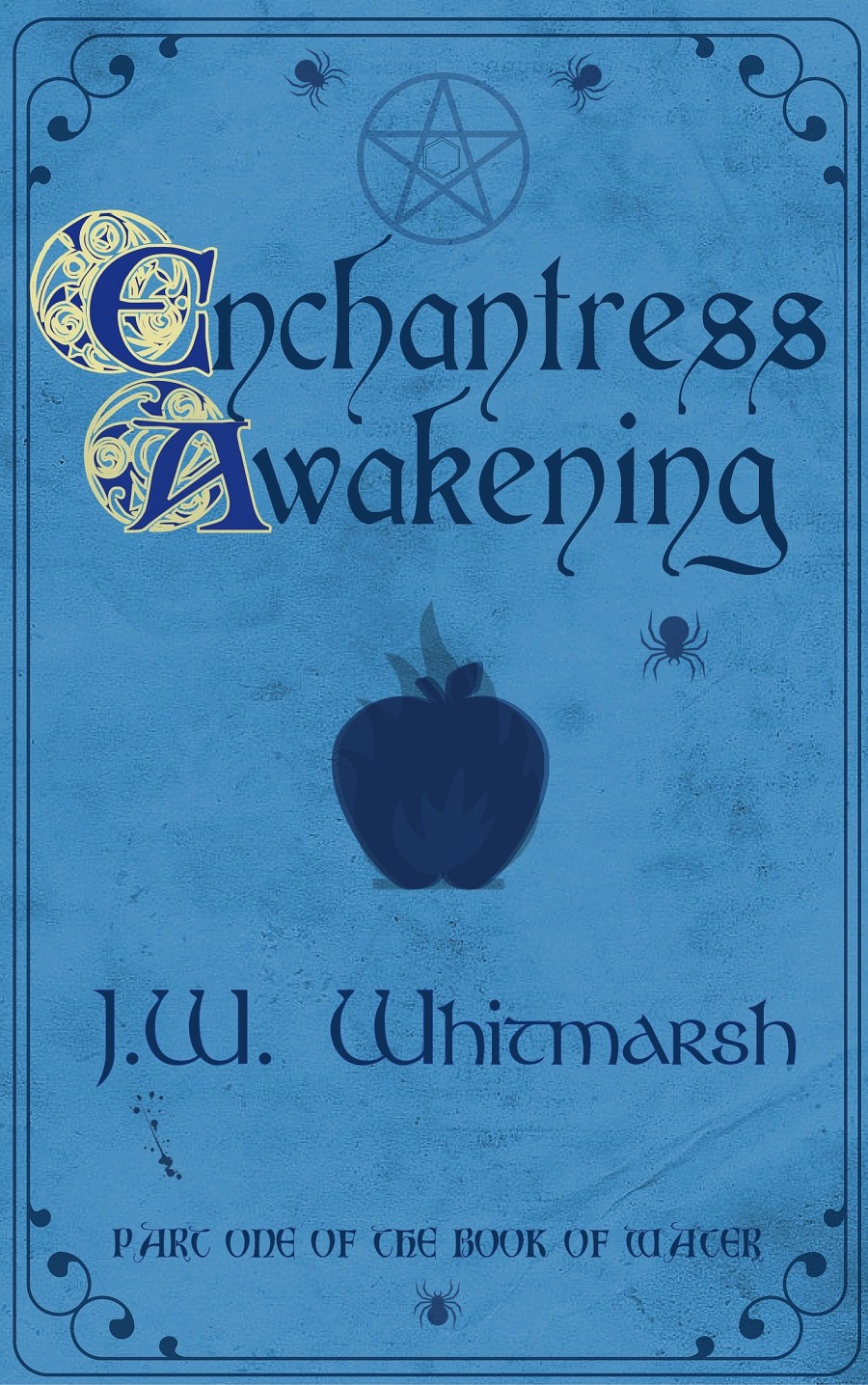
Enchantress Awakening New Edition Available Now!

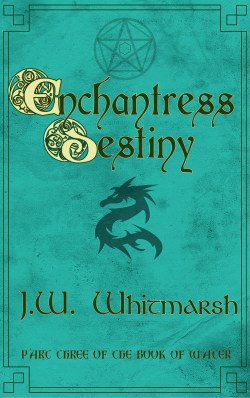
We’re pleased to announce that the Spellbound Edition of Enchantress Awakening is now available for purchase on Amazon. Meanwhile the Stone Edition is still available for the same price so now you have the choice of which cover you prefer.


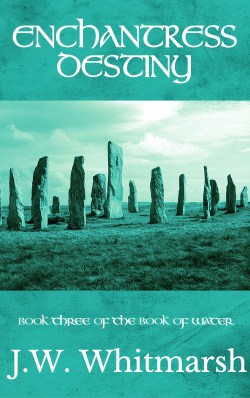
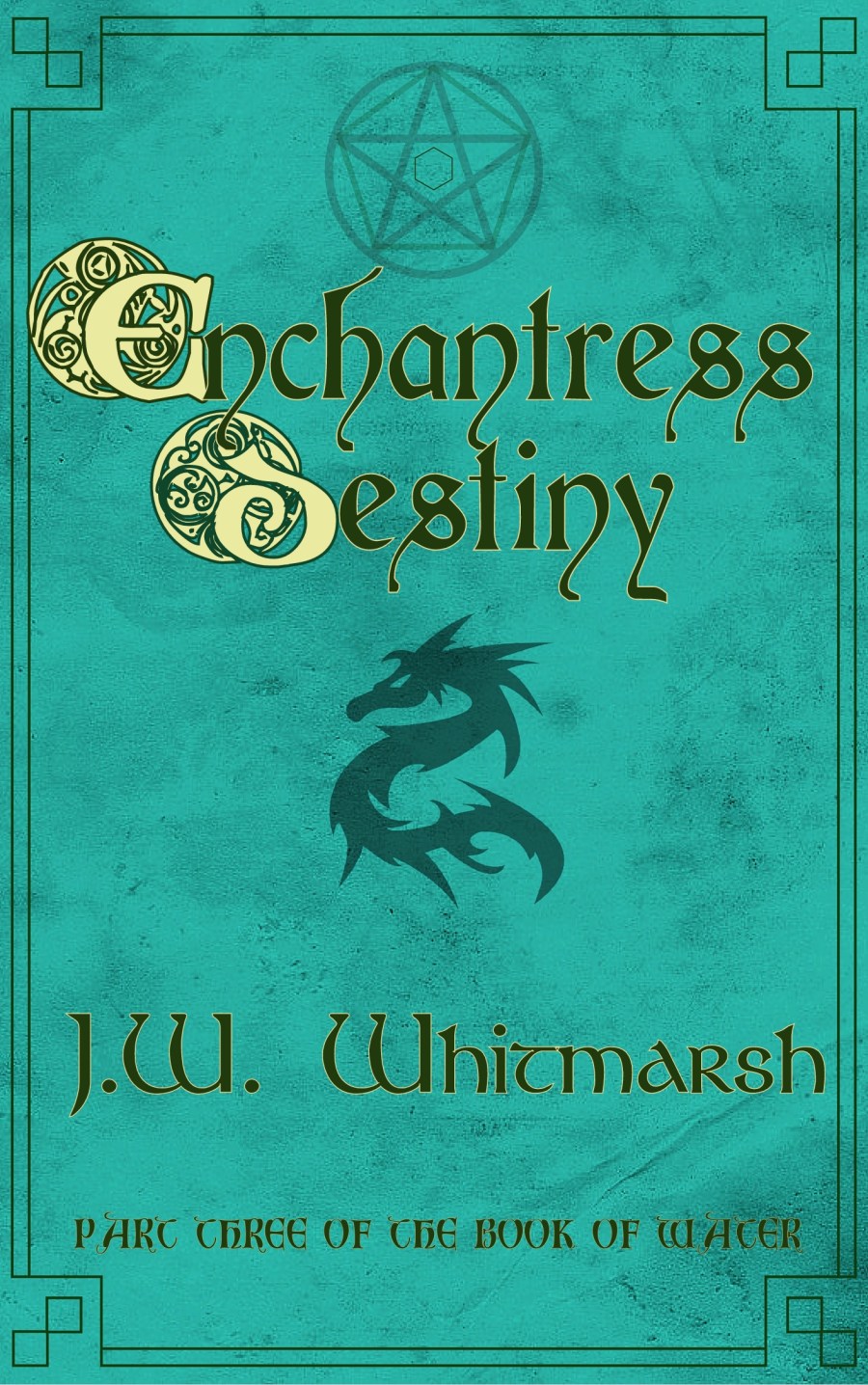
Soon they will be joined by the Spellbound Edition of Enchantress Apprentice and in early May by both versions of Enchantress Destiny, which will be release simultaneously in both formats.

Quick Link to Spellbound Edition US, UK, Can, Aus, Ita, Fra, Ger, Ned

Quick Link to Stone Edition US, UK, Can, Aus, Ita, Fra, Ger, Ned