How a joke became a multi-book fantasy series

Late last year I was making a joke about a new prestige TV adaptation with a leading lady who seemed to have stepped out of a high fantasy cover. In the joke the audience was split; half thought what they were seeing was trashy fun while the other half, the ones who’d read the book, insisted that there were deep lore reasons that made total sense for why everything was happening on screen.

This dissonance was funny enough to sit with. 

And so the idea for Lyrianna Wolfheart was born: A high fantasy heroine who found herself living in a grimdark world and carrying on regardless. 

The joke snowballed to the point I started writing fake episode synopses around the adventures of Lyrianna, as she went around the continent fighting monsters and getting into trouble bad and good with the people she encountered along the way. 

But I realised for the joke to work, there had to be something deeper beneath it, something close to epic fantasy. So I began creating other  POV characters in different parts of the world. Enter, Luka, Marco and Rurik. 

Synopses snippet: Out on the roads of the river realm a merchant and his bodyguard get asked to transport an unusual cargo. Duke Marco decides against a safe harbour and sails somewhere darker.

Somewhere along the way, Lyrianna encountered a channeler in chains. That image became the motif for the entire series, and the episode synopses became more detailed. 

Synopses snippet: The Queen of the night gives Marco a ship. He builds a crew. The hunter finds an unlikely ally in the chieftain’s daughter. Lyanna searches among the city for tales of abyssal breaches, flirting her way through night life in search of rumours, she breaks hearts and bones. Luka  learns that the people who hired him have a special interest in folk with powers. This strikes a chord with him but it is not explained why. The chieftain’s daughter believes the hunter and they set out for proof of the monster. They are attacked by lesser monsters. The daughter (Sigrid)…[spoilers] Marco sets out on his first mission and takes a ship. He finds the cargo is … [spoilers].

By the time I’d finished the last episode synopsis, I realised I already had the spine of a novel and since no-one else was about to write it, I set to work, returning to writing fantasy after about a decade spent writing science-fiction. 

Looking back, it’s surprising how much of those episode synopses not just formed the basis for The Rule of the Chain’but provided material for sequels as well. If ever you find yourself wanting to write a fantasy book, I can honestly recommend this technique. A few mad weeks of productivity later, ‘The Rule of the Chain’ existed as a first draft. The world of the Dragon Moon Saga was in motion, and over the next six months ‘The Rule of the Chain’ was followed by ‘The Day of the Souls’ and ‘The Hour of the Wolf’ in draft form. 

Now you may be wondering; who was right in the original joke? Is it trashy fun or is it grimdark? 

The answer is that one of the great things about fantasy is that you don’t have to choose.

When a dragon sets a town on fire, it’s spectacle, but it’s also a story about power is used, and the lines that should or shouldn’t be crossed in war. As one of my characters, Veyra, loves to say: more than one thing can be true. 

The joke accidentally evolved into a dark fantasy ‘Cloud Atlas’ with genuine stakes. But readers and characters still get the chance to laugh.

If you like the scope of A Song of Ice and Fire, the humour and monsters of The Witcher, if you’ve ever played an RPG and wondered what lay beyond the edge of a map, there’s a fair chance you’ll enjoy the Dragon Moon Saga. 

I will be posting chapters regularly on my Substack over the coming days and weeks. The opening chapters will be free, so if you’d like to join the adventure, I’d love to have you along

Hope to see some of you set out on the road (where the first rule is to survive).  

All the best, 

JW Wolfstar 

I write about wolves and stars

To read new chapters from The Rule of the Chain go to either

https://www.patreon.com/cw/JWWolfStar

OR

https://jwwolfstar.substack.com

A Journey through the world of The Witcher (part three)

And so to the books but where to start? The Blood of Elves was supposed to be the start of the novels so I began there and…hang on, this isn’t the beginning – the characters are talking about Geralt and Yennefer and the things they’ve already done. Look again…ah, there are two books of short stories first. Now we’re talking.

The Last Wish

Temeria. King Foltest has a stryga situation. This is very familiar. Haha, he just said ‘whoa there, Roach’. Later Geralt arrives in a place called Blavakin and I know this isn’t going to end well. Here is the Cintra where Ciri is supposed to be a Princess. The stories are nicely contained and slightly unexpectedly from my experience of the games, particularly the first two, they are funny at times and not afraid of the odd cheeky cultural reference. There’s a line about not about not wanting to dispatch a troll because he does good work maintaining the bridge that could have almost been in place in Terry Pratchett. When I later revisited the games I realised some of this humour can be found but this is a journey and we’re not there yet.

Overall, the tone is much lighter than the grimdark I had expected having played the games. Being separated from Geralt’s leaden delivery helps in this regard. Book Geralt is world-weary and cynical it is true but he’s also more sardonic and generally animated. He also pontificates on the nature of things from time to time. In short, game Geralt isn’t nearly as good company.

I get to the Last Wish that is heavily referenced in the quest of the same name in Witcher 3. This is more or less the Yennefer we meet in the games. Spoilt, headstrong and manipulative, living in luxury and putting noses out of joint in every direction. As before, it’s a more light-hearted affair than is hinted at by the Witcher 3 and provides a satisfying set up for what is to come.


The Sword of Destiny

I later found out that Sword of Destiny wasn’t released in English for a long time. I wonder how followers of the books got on because it’s quite an important missing piece to remain unfilled. I’m glad I started reading them when this volume was available as it is vital to understanding the relationship Geralt has with the two most important women (for that matter people) in his life; Yennefer and Ciri.

I’m also glad Sword of Destiny was available to me from the beginning as it remains by far my favourite of all of Sapkowski’s works. It makes the tonal transition from the lightness of The Last Wish to the gloom that will follow. As an aside, I always have a fondness for the parts of a series that hit this sweet spot. Goblet of Fire and Mass Effect 2 also fit in this category but that is a matter for another blog.

Yennefer is back and on fine form and the dragon hunt is on. Witcher 2 references paying off here with the Crinfrid Reavers (in fact they are only in Witcher 2 to do this) and Yarpen Zigren. There’s also a GWENT card pay off and the conversations between Geralt and Yennefer in The Last Wish quest now make a lot more sense.  The oft spoken of Zeugl also makes an appearance later on. In terms of the relationship between Geralt and Yennefer, if the games had been set between where they end up here and the next time they meet the Yennefer/Triss choice would have been more finely balanced.

The short form seems to suit Andrej Sapkowski. One thing he does very well is introduce characters and quickly make you care about them even if you will only know them for a short while. Sometimes it’s heart-breaking and I wonder why he did that to me. A life, like the Sword of Destiny, has two sides. There is the life of the person and there is the life that their effect on other people has. I understand now why he did that. Sometimes to understand someone you need to see how they act towards other people and how they suffer at their loss.

Sword of Destiny is mostly about the two women in Geralt’s life. For me, it is also where I started to like Dandelion. His humanity emerges from behind the facade of ridiculous hedonism. I find he is at his best when he is prepared to contradict Geralt and in these moments their unlikely partnership seems to make the most sense. Sometimes you need to see how people act towards others to understand them. Through Sword of Destiny and beyond you see the flashes of Geralt’s soft side. Not weakness but a fierce if somewhat begrudging loyalty to anyone or anything that falls under his care, even if he does call them ‘Roach’.

A point of view is like a camera. It can only focus on one thing at a time. In the world of The Witcher this often means that important things are happening out of sight. Sometimes this works, other times this is frustrating. We never get to see the Battle of Sodden. We get to stand on the hill and feel it’s aftermath. Names are mentioned that I’ve heard in the games. I think about the sorceresses who fought together there and wonder how Sapkowski would feel about how their fates play out in them. Is Sabrina Glevissig supposed to end up burnt on a wheel?  It’s an idle question really. I get the impression that Sapkowski doesn’t give the storylines of the games too much thought.

I’m glad I didn’t start with the novels. The Last Wish and Sword of Destiny is where the main characters are properly established. From what I have gathered so far it also seems that the events of these books are set to feature heavily in the upcoming Netflix series. In essence, if you want to get to know Geralt, Yennefer and Dandelion; read the short stories. I think you could go from here into the games and need almost no explanation for who is who and why these things are happening. With one exception; Witcher 3 is in many ways Ciri’s story and her story is yet to be begun. To understand that properly I had to read the novels.


Featured photo.

Photographer: Victoria Romanova aka Milligan Vick

Model: Galina Zhukovskaya


Dear Critics…(part II – Bright)

Bright. According to the critics, the worst film of 2017. By any rational measure it was not even the worst film the week it came out. What’s going on here? On Rotten Tomatoes the critics give an absolutely stinking 26%. That’s bad. That’s really bad. That’s a film so bad that it leaves you feeling dirty, like you’ve soiled yourself. With the disappointment there’s a measure of anger. Why? Why was I tricked into wasting my precious life on this? Just as well the audiences were forewarned.

And yet, and yet. Apparently a number of people went ahead and watched it anyway and…well, they seemed to like it giving it 85%. Hang on, 85%? That’s not a stinker; that’s a genuinely good film. People are saying they not just thought it was ok or short of being awful; they thought it was really enjoyable. A 60% difference seems to require some kind of explanation.

I’ve read a number of the bad reviews and well…there’s nothing particularly insightful about them. It’s a series of cliche’s. It doesn’t work. I didn’t like it because whatever. That’s not to say any of these critiques are necessarily untrue or unfair (albeit uninspired) but they could be levelled at any number of films that don’t lead critics to declare them the worst film of the year (some of these same critics were probably the ones who listed ‘Mother’ as one of the best films of the year so…yeah). Something else is at play here.

images (4)

Theory#1 – We are afraid of Netflix.

This theory is also pertinent when it comes to the discussion of Altered Carbon. It goes that Netflix has become hugely successful and is changing how people view films and TV. In the case of the latter, the critics don’t appear to be so worried because, let’s face it, most of them don’t want to have to sit down and watch hours of live TV. They are used to being given viewings in advance, binging four episodes on the trot. They might be a little bit worried about how traditional TV channels are going to cope (and maybe they should be) but it’s not impinging on how they’d choose to consume the product.

Films are a different matter. Many film critics truly love cinemas. For them, their first visit to the picture house was a seminal experience. The smell of popcorn and worn out seat coverings still causes their stomach to clench with excitement like remembering the first kiss of a favourite lover or a first professional level goal, try, century or crossing the winning line as number one. Cinema is at the core of their being, an integral part of their personal history and sense of self. That’s why films about films and cinemas always feature so highly in critics’ lists. It speak to something very real within them. It’s how they can give the Best film Oscar to ‘The Artist’ without a trace of self-awareness.

And there is nothing wrong with any of that until it gets in the way of the day job, namely making fair recommendations for the general public. Netflix represents an existential threat to the cinema-going experience (or so some believe) and they must be stopped. Bright was a big investment for Netflix, a chance to show they can do films as well as series. So, naturally, any true lover of cinema must use their power to stop this juggernaut regardless of whether the film deserves their disdain or not.

Personally, I’m not totally convinced I buy into this theory. There may be an element of that in play but whether it is uniform is debatable. In fairness, there is a argument to say Netflix should release these things in the cinema first. Why not? If they back a film that much let people see it on the big screen. People are going to use Netflix anyway. Anecdotally, I binge on Netflix a fair bit but I’m also going to the cinema as much as I ever have in my life.

Theory #2 – The ‘buy in’.

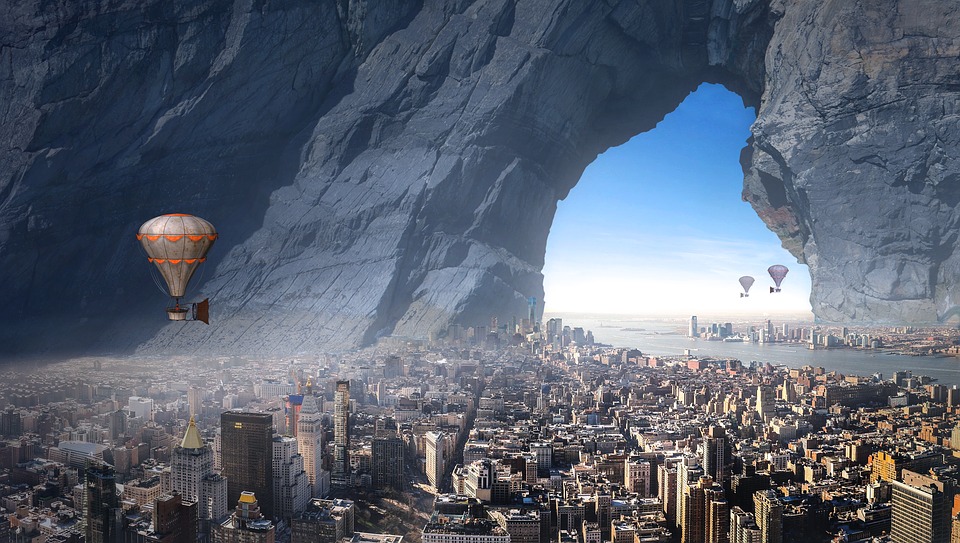
Another theory as to why ‘Bright’ received such a mauling is that the concept itself just alienated the critics from the get-go and they failed to appreciate the buy-in factor that many fans of sci-fi and fantasy bring to what they enjoy. Here’s a concept; buddy cops but it’s in a world where there are orcs and elves and one of the cops is an orc. You may well read that and go, ‘oh come on, that’s stupid’. Apparently this was the standard critical response.

On the other hand, lots of viewers were given that concept and thought, ‘yeah, I’ll go with this’. Second generalisation alert: fans care about world-building, critics care about performances. Ok, this may be a generalisation too far but there’s something in it. When futuristic and fantastical worlds are unveiled before our eyes a lot of people are just on-board with it. For them, this suggestion of another world to explore is the thing that enthrals them. It’s why they can look at the maps of Middle Earth or even Treasure Island and feel a sense of excitement just at the thought of going to these places, even if they are never really touched by the story. That feeling of immediate investment is something I got watching the title sequence of Game of Thrones and also the sense of instant familiarity when they visit the ‘Oasis’ for the first time in ‘Ready Player One’. Certain things tick certain boxes for certain fandoms and that should not be dismissed.

When you are gazing at the horizon whether the facial expression or vocal inflection of the person in the foreground is 100% convincing is less of a concern. For many critics, by contrast, the acting performance is the alpha and the omega. It’s why the accusation of 2-D characters is so often used and why some critics can feel fulfilled watching an actor’s face as he stares off into the distance while nothing happens. The interior world of the performer is where they want to explore.

From this perspective it’s easy to see why the critics love films like ‘Three Billboards Outside of Ebbing, Missouri’ (ok, I really enjoyed it too). It’s all about performances and it is stacked with them. If on the other hand, you went to that film hoping to see a world you’d never seen before where your mind can go off on adventures of its own, you’d be disappointed. The point here is thus, internal and external worlds are both valid forms of entertainment. There’s no rule saying that the former is worth more than the latter.

fantasy-2801105_960_720

Dear Critics Part 3 – Altered Carbon. Coming next…

The Sinister Conspiracy: Left-handedness in fiction.

A few weeks ago the internet announced it was left-hander’s day and, predictably, people came out with articles about how difficult it was being left-handed ‘Boo, scissors are wrong’ etc. There was very little about how left-handers are depicted (and not depicted) in fiction, which is a personal bugbear of mine. In a curious way, being left-handed gives you a glimpse into what being a minority is like and what being disabled is like. This is both trivial and non-trivial.

It is trivial in that being in the left-handed minority isn’t going to get you killed or arrested or treated to abuse or violence from strangers as is the case for many minorities in many parts of the world (although it wasn’t so long ago it lead to beatings in the British school system). Likewise, contrary to those articles being left-handed in a right-handed world is not a major adjustment – we do possess right hands as well and are often quite adept with them.

Where it is non-trivial is it gives a flavour of how the world reacts to difference and diversity. For many writers at the moment this is a big topic and writers of fantasy are by no means exempt from these concerns. The way difference is treated in fiction usually falls into three forms; representation, tokenism and diversity. Thus through the lens of left-handedness and the minor insights it gives, I shall attempt to approach the topic as a whole.


barack_obama_signs_emergency_declaration_for_arkansas_1-28-09Representation

At times, I’ve been sceptical about the notion of the need for representation. What is this narcissistic need readers and viewers are deemed to have that they need to see themselves in everything? American film producers are often the prime culprits of this and, I think, underestimate their audiences in doing so. They wanted to make Harry Potter American in the films. Fortunately, JK Rowling vetoed that and lo and behold American audiences still were able to enjoy it.

Similarly, I watch a lot of American TV and films and don’t spend the whole time waiting for a British person to turn up. When I read ‘The Famished Road’ I didn’t scour through the novel hoping that a white person would appear. I expect the people who populate a particular story to be consistent with that setting and don’t need to see ‘myself'(myself being someone who shares some identity position).

There’s an easy rejoinder to this point of view, however. That’s ok for you to say when you’re in the majority and have any number of representatives in fiction. There’s a measure of truth in that which only comes into focus when you’re not in the majority. Here’s where I return to left handers.

How many left-handed heroes are there in fantasy? Off the top of my head, Tolkien has one, Maedhros, who after having his right hand removed goes on to be better with a sword in his left hand. George RR Martin does a similar thing with Jaime Lannister only he is awful with his left hand. In fairness to Martin, I believe Ayra is mentioned as being left-handed making her the only example I can easily recall. I haven’t read the majority of fantasy fiction novels ever written so it is possible there are many others but I think my sample is large enough to be indicative.

Why so few? Here comes the explanation that is most often given for the absence of diversity – realism or, more properly, verisimilitude. Lets now create our fantasy world. I’m not going to say what is right and wrong for writers here (with one exception), rather pose the questions. And yes, left-handedness can obviously be substituted for other things.

First question? Is left-handedness as common in your fantasy world as ours? If it is then something like one in ten of your characters should be naturally lefty. Are they wielding their weapon left-handed? If not, why not? In many historical cultures there had been prejudice against left-handedness and lefties were forced to do things right-handed. The Romans were possibly the worst offenders for this. Putting aside the general cultural aspect of this intolerance for a moment, what function does this prejudice have? The Romans were keen on close formation fighting and had square shields for much of their Empire. Holding a spear left-handed and shield on the right arm would create a weak point in the line exposing the man on the left and shielding the shield of the man on the right. Getting rid of the lefty seems like a sensible course in this context.

Is this the only solution? Some hoplite shields from a similar time in history were notched on either side so the spear could be thrust through left or right-handed. Another option would be to put the lefty on the end of line (or block if fighting in squares). Does your culture care enough about the exceptions to make these adjustments?

If, on the other hand, your fantasy culture doesn’t fight in close formation like the Romans, for example forest skirmishers, the imperative for everyone to fight from the same direction disappears. In general, in a world where the majority fight right-handed, being left-handed is an advantage. Therefore, if it doesn’t undermine a formation, it would disadvantageous to force your fighters to suppress their natural preference. You may still wish to insist on this but then you need to bring in issues of intolerance rather than practicality to explain it.

I suspect lack of representation of left-handedness in fantasy broadly stems from two sources. One, the writer is themselves right-handed and has never given it any thought and two, their fantasy cultures are largely reminiscent of historical Earth cultures and transplant their attitudes to left-handedness into the bargain. There’s nothing inherently wrong with this latter position but would it hurt to put in an occasional reference such as the character having a stronger shield hand than normal? Just as a note, if you do decide to make that reference don’t make it that the character is a liability or cack-handed. We get enough of that crap already (and it’s almost always untrue).

Tokenism

Tokenism is different from issues of representation in that in this example the writer/screenwriter has made an effort to include or make reference to the minority but has done so in a way that is shallow or unhelpful. If there’s one thing worse than being represented it’s being represented in a way that negatively stereotypes. Frankly, I’d rather there weren’t any more British characters on American TV than have another effete aristocrat speaking like they’ve walked out of the 1920s show up. Or football hooligans either. There are plenty (I dare say the overwhelming majority) of British people who are neither of these things.

Left-handers fare no better. When do we get a mention? In crime stories, of course. Left-handedness is used as a gimmick to help catch the killer, the killer almost always being left-handed in these cases. Dammit, my sinister plan ruined by my sinister hand. The only other example I can bring to mind is an episode of CSI where Grissom concludes that the victim’s work space has been interfered with because the mouse was on the right hand side. The episode then goes on to helpfully inform us of the many left-handed Amercians who die every year using equipment the wrong way round. Sorry, Grissom and your great detective skills but I don’t know any left-handed people who have the mouse on the left-hand side (see earlier point about being able to use our right hands). Another classic is which wrist the watch was on not matching handedness. It doesn’t? Maybe that’s because people don’t always follow that rule.

The problem with tokenism is that is rarely has a function beyond merely acknowledging the existence of a group. Little to no attempt is made to integrate that aspect of the person in a wider character or even to suggest they have a character beyond that particular aspect. In the case of lefties we are boiled down to murderers and being unable to adapt to a right-handed world, which ironically is actually something we’re generally pretty good at (the functioning not the murder although I’m sure we’d do a great job of that too if we put our lateral-thinking minds to it).

final_challenge_international_de_paris_2013-01-26_193155Diversity

How do you represent and get beyond tokenism? I think the major pointer here is about your motivation for including difference in your story. If you are including difference because you feel you ought to and it will make someone happy then it’s probably going to be a struggle to pass through tokenism because in essence that’s what you’re doing.

The most compelling reason I can think of to include difference and diversity in a story is that it is simply a better story and richer world for doing so. We don’t want to travel to a place that is the same as the one we left. We don’t want every new person to look and think exactly the same as the ones we already know. We wouldn’t survive as a species if everyone was attracted to one type of person.

In the case of left-handers, I think this works on an aesthetic and interest level. In sports, I always like the look of seeing a left-handed tennis player against a right-handed one or the field and tactics in cricket having to be readjusted for the left-handed batsman coming in. This can easily be transposed into fiction; the challenges of facing a left-hander in a duel or the particular advantage for a lefty fighting up a spiral staircase.

Left-handedness, like any difference, brings a new set of challenges and story-telling opportunities. As writers these are gifts that we should relish. Instead of contemplating how to bring diversity into our stories we should use diversity as a starting point and be grateful for the layers of complexity it provides.


Hey, they’re not supposed to die!

First up….MASSIVE SPOILERS FOR ANYONE WHO HAS NOT SEEN GoT 6 08/READ DANCE WITH DRAGONS.

Ok, we’re happy now, yes? You realise what’s coming? Great.

Here’s some names off the top of my head (I’m sure westeros.org  has a much more comprehensive list) S1  – Mago, s2 – Irri, Xaro Xhoan Daxos, Rakharo, s3 – Greatjohn Umber, s4 – Grenn, Pyp, Jojen Reed, s5 – Stannis, Shireen, Mance Raydar, Barristan Selmy, Myrcella s6 – Doran Martell, Trystane Martell, Areo Hotah, Brynden ‘Blackfish’ Tully, Shaggydog, Osha, Summer, Hodor, Jorah Mormont (arguably), Roose Bolton and Walda Frey.

What do all these characters have in common? They are all (as of 608) dead in the TV show Game of Thrones and (as of Dance with Dragons) still alive in A Song of Ice and Fire. This is curious because of any criticism one might make of George RR Martin’s fantastical world, that he doesn’t kill of enough of his characters is not one. Why the disparity and what effect does it have on the story?

It’s fair to say of this list not all are equally inexplicable so (based purely on my own speculation) I’m going to separate them into different categories; dead men walking, not like this, herd thinning and bodycounters.

Dead (wo)men walking or It is known

These are the characters who we haven’t seen (in an imaginary sense) die yet in A Song of Ice and Fire but who will likely meet their end much the same as on the show. The first name that leaps to mind in this group is Hodor. When I saw that play out I thought it had Martin’s fingerprints on it and duly that was later confirmed. I would also just about put Jojen Reed in this group too as I think narratively speaking he will die in pretty much the same place, if not the exact same manner.

Just about sneaking into this bracket I would also include Shireen Baratheon. I’m not sure that in the books it will be by Stannis’s order but I think she is for the flames nonetheless. However, if it is not under her father’s command then she should be pushed into the next category for reasons that will become clear.

There’s not much to write about the It is Knowns because their role is much the same. Some would say they constitute spoilers, I tend to think at this point anyone watching the show hoping that nothing of the books is going to be revealed is probably deluding themselves.

Not Like This

Insert your Matrix gifs here.

This group is of characters I expect to die but not in the way it is shown on GoT and why the different ending makes a difference. The least important of these is probably Mago. Do you remember him? Khal Drogo ripped out his throat in Season 1. It was someone else in the book and Martin is insistent that Mago is due to have a significant role in future instalments. My guess is that he will play the same role as Khal Jhaqo’s bloodriders in the current season and this is simply a case of giving a different name to a character. I could be wrong but until I know otherwise I’m happy to let this one go.

Stannis I would include in this particular category. For the story to advance, Stannis has to die and it seems likely it will be in the North. However, I’m pretty damn certain Martin’s battle won’t consist of charging a load of weary infantrymen in loose formation against the riders of the Rohirrim who have suddenly and inexplicably flocked to the Bolton banner. Likewise, I’ll be shocked (and not in a good way) if Brienne conveniently arrives to deliver Stannis his death blow. I could be wrong but that felt more Hollywood than Westeros, where neat vengeance is rarely delivered. In Martin’s world, punishment is usually meted out by those with no claim to deliver it. Think Ramsey on Theon and Vargo Hoat (Locke on TV) on Jaime.

Whatever fate lies in store for Stannis I imagine it will be a little more complex. If it turns out not to be him who orders Shireen to be burnt then that would reinforce my suspicion that he was made responsible for that so viewers would be OK with killing off a major character in a fairly summary fashion. Certainly they did seem to rush to the end of his storyline.

Myrcella is another whose fate will almost definitely play out very differently. If we accept that the prophecy about Cersei’s children is true then Myrcella will die at some point. That is where the similarity likely ends. Everything Dorne post-Oberon has been horrifically misguided. The Sand Snakes are miscast and badly written. Ellaria has had a complete personality transplant and the whole plot line makes no sense whatsoever.

The result is Myrcella won’t die on a ship with Jaime because Jaime was never supposed to go to Dorne. It makes zero sense for the Sand Snakes to kill her because they were trying to make her Queen. Even if later developments that were never shown on TV pan out, she would still be betrothed to their cousin. In short, I expect little to no resemblance to what we have seen on our screens.

This matters because having Ellaria/Sand Snakes kill her is what led them into the current storyline where  having gone directly against his wishes they would have to be executed or be in open rebellion against Doran and…well, we’ve seen how that turned out.

I’m just about persuaded to put Jorah Mormont and Barristan Selmy into this group. In Jorah’s case, he’s been such a major character that I can’t think the showmakers would give him a death sentence unless he had no more role to play. The fact that they’ve cut and pasted John Connington’s fate onto him means that should he die it will definitely be in a completely different manner.

Similarly, while Selmy may or may not be long for Martin’s world it is clear that he won’t die at that point because he is still alive way beyond it, partaking in vital acts in the defence of Mereen. In his case I feel the premature departure has had a negative effect. Another senior figure in Mereen would make it look a bit less like everything is being done by three people in an empty pyramid. The only reason I don’t put Selmy into the herd-thinning category is that if he is to die in the books it’s probably fairly soon.

Lastly, I’m just about persuaded to put Roose and Walda in this group. Like with Stannis, Roose has to die for the plot to move forward and in A Song of Ice and Fire, people are rarely merciful to the families of the deceased. I’m not convinced his end will be as mundane as being stabbed in the stomach by Ramsey after dropping huge hints that he means to set him aside.

Herd Thinning aka We have a budget

The deaths I would describe as herd-thinning are where a character is killed on the TV show and there is no particular reason to think that character is about to die or their death was at least premature for no good in-world reason. These deaths are better explained by budgetary constraints, actor schedules and a general desire to keep the cast numbers in check both for cost and simplifying things for the viewer.

Rakharo (who seems to be an amalgam of Jhogo and Rakharo from the books) seems to have been killed off because the actor had a scheduling conflict. Presumably, if not he would have remained as the visible representative of the loyal Dothraki going on. It may have been the same with Clive Mantle (Greatjohn), although his lines and personality were fused on to the Blackfish from Season 3 onwards.

On the matter of the Blackfish, given that he is explicitly still alive and active in the books beyond the siege of Riverrun I can only think the showmakers considered him an expense they could do without (unless he is to take the place of Un-Cat).

Herd-thinning is the only reason I can think of that would explain the terrible plot decisions of the Dorne storyline. By killing off Doran and Trystane they have closed the door on a number of developments in that region, which to me says they wanted to give the viewers a reason to think Dorne is out of the picture now. Areo Hotah is just more collateral damage in this sense.

Last but by no means least in this group are the direwolves Summer and Shaggydog. They may die in the books but given how much they’ve been shoved to the side because CGI is expensive it’s hard to discount the possibility that this was a motivating factor in killing them off.

Bodycount

The last group includes Osha, Gren, Pyp, Irri and Xaro Xhoan Daxos. Each of these characters was killed not because they are set to die imminently but simply because of the drama their death would give to particular moments. In the case of Pyp and Gren this works. Pyp’s end heightens Sam’s jeopardy while also showing how far he has come as a character and Gren takes the place of a character not seen in the show. His death was done to make people care about a moment that deserves to be cared about.

Irri was killed to heighten the sense of danger in Qarth and in this case it didn’t work at all. The stolen dragons storyline was a major misstep and killing Irri to enable it was a waste of a character and an actress. It also cut much of Dany’s link to the Dothraki and made her entourage too light subsequently. It’s arguable that her role is filled by an aged-up Missandei but they are very different personalities and I can’t see that Irri’s presence wouldn’t have added more.

At the other end of the dragon theft storyline is Xaro Xhoan Daxos. Given that he’s a completely different character on the show to the book version his loss isn’t that important and probably preferable. The presence of the changed character was more problematic as it was integral to the deviations that undermined Dany’s season 2 arc.

Finally, Osha. She might die but I hope if she does it’s handled better than on the show. Another knife stabbing with little build up and zero reflection afterwards. She might as well have been a guest appearance. It’s possible that she was taking the role of one of the spear wives from the book but that doesn’t seem like a great reason to kill her.

Does it matter?

As with most questions, it depends. In the first group not at all. In other cases, as a book reader every time one of these deaths happen you see future storylines and scenes dying before your eyes. That is easier to take some times than others. Not including Arianna Martell is one thing. Bringing in Dorne then changing its course completely is quite another.

When you know you’re not going to see something you’d hoped to see it’s important that you’re given it in such a way that you can accept its loss. When things are edited for content you can always think it happened it just wasn’t shown. So in the Lord of the Rings films, for example, the scouring of the Shire could have happened (in the cinema release version), Tom Bombadil could have happened, the appendices could have happened; we just didn’t see it. There’s no way to undo aberrations like Osgiliath, unfortunately.

For the show watcher who hasn’t read the books and never plans to you can argue that it doesn’t matter at all. After all, if they had no expectations then there is no loss. However, as with any death if it is done without good reason it notices. I generally watch Game of Thrones with non-book readers and when a death doesn’t seem part of the story they tend to be taken out of their suspension of disbelief, frown and ask ‘does that happen in the books?’. They also ask this with stuff that’s in the books but usually after the end of the episode because they are still invested.

I appreciate that Game of Thrones doesn’t have an unlimited budget and my complaint isn’t with that. In fact, if I have a complaint it is directed at TV and film in general. Deaths of established characters can be very effective in drama. It’s important that it is never used cheaply and when that character has more stories to tell that will now never see the light it is all the more important the reasoning is sound.

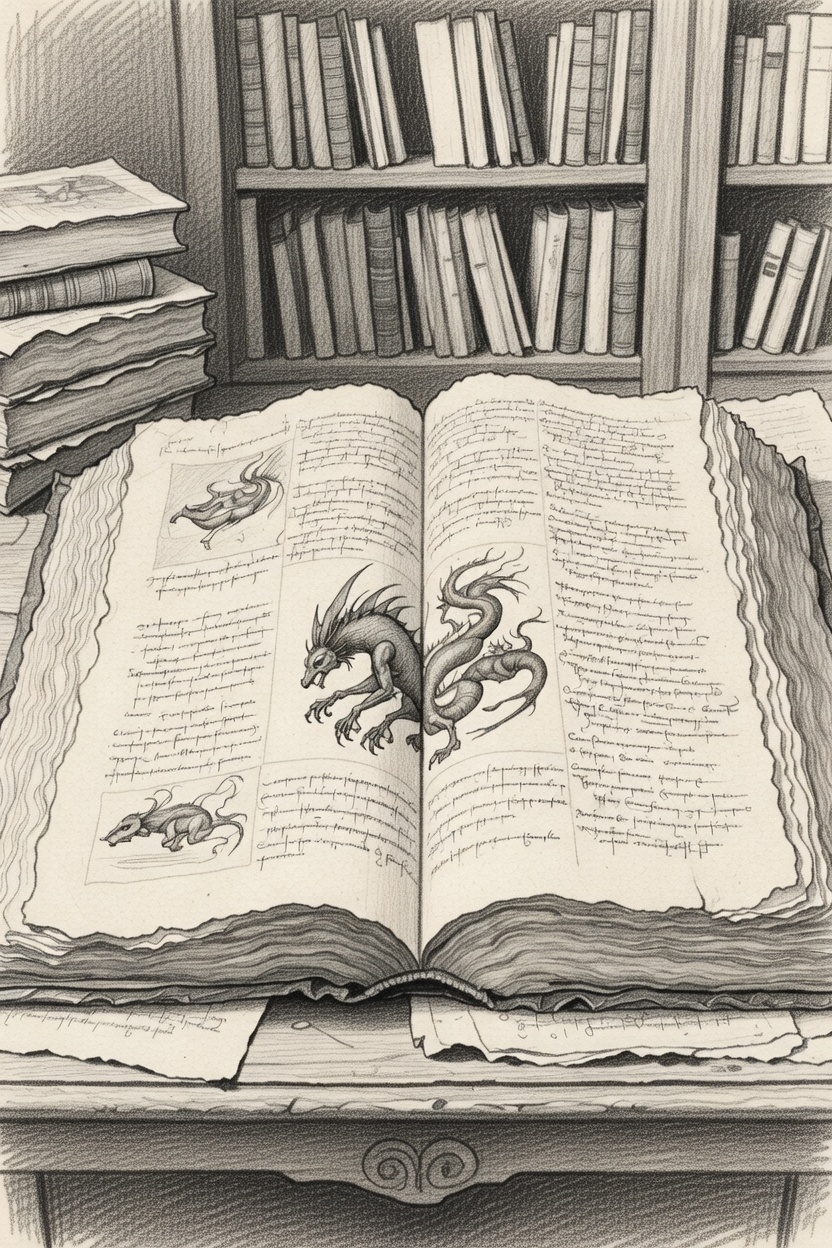


Writing: It’s not all about the word count.

writerWhen you tell people you’re a writer there are some questions that almost always get asked. The most annoying is ‘do you have a publisher?’, not because of the question in of itself but the reaction to anyone who says no. That ‘ohh’ with declining intonation and the subsequent changing of topic is well-known code for ‘so you’re not really a writer then?’ Musicians don’t get this reaction when they say they’re not signed to a major record label yet.
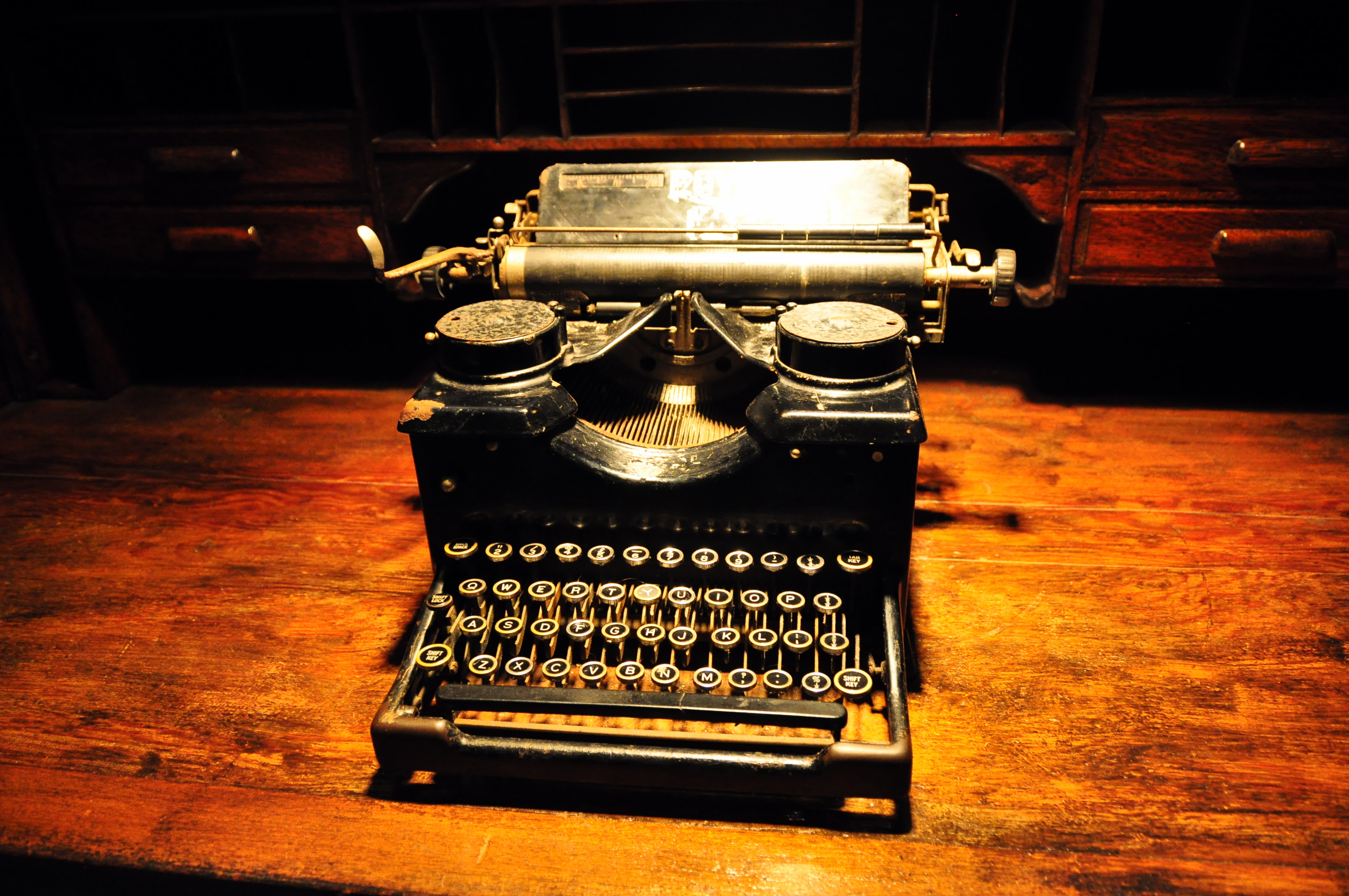
In any case, I digress. When people choose not to be annoying, there are two questions that are more common than all others. Number one is ‘where do you get your ideas from?’. After that, the favourite interrogative is, and this one usually comes from the genuinely interested, ‘how many words do you write in a day?’.

I’ve had this discussion with other writers and read some things on the topic and I have to say I find a lot of it very curious. You see things like Somerset Maughan supposedly saying he wrote 600 words a day without fail. I find that somewhat implausible but it may have worked for him, I can’t say.

Now I’m not claiming to be a writing God or some such but I can fairly say that I’m well versed in putting words on a page. In one series of books, I worked out I’ve already written over a million words, so whatever other failings I may have, prolificity isn’t one of them. All the same, when writer friends of mine ask me how much I aim to write in a day I feel that it is in part the wrong way of looking at it.

I understand the need for a metric. We want definitive proof of progress and a word count provides that. Over a longer period of time, I too set myself word count targets as a way of making myself really get down to the discipline of putting in the hours. Likewise, word counts can give you a fair estimation of how far into a novel you are or even at what point you should finish it. Word counts can be useful; just not on a daily scale.

Why do I think this? For one, not all words are equal. Which words are easy and which are difficult may vary from writer to writer. Personally, I find dialogue reasonably easy to write. Therefore on a day when I’m writing dialogue I can probably get a high word count without much trouble. Other things take more work. Action scenes can be exhausting to write and often you can spend a lot of time on choreography to see if what you’re writing is actually physically possible or plausible. As a result, word flow can be choked.

typewriterEqually, some chapters are more difficult than others. I get chapter block far more often than full-on writer’s block. I can always write something just not always where I need to write it. Those 300 words you bled to get out may be the ones that bring a breakthrough and get you to a part of the story where the flow becomes much easier again. They are the chiselling that produces cracks in the wall of inertia.

By the same token, not all days are equal and this is where arbitrary daily goals become most absurd. If I wrote 1,000 words a day, every day without fail that would mean there would be many days where I have to stop mid-flow and many where I have to exclude all other life just to get them done. Neither makes sense. Writers have to be human beings too.

I understand that daily goals are about discipline. I just think that there are better ways to employ that discipline. If word count is your sole measure of productivity what do you make of those days where you get a lot of research done? What about the days where you write a ton of notes and plan out chapters to come? Both of these can be the platform that launches you into another cycle of creative outpouring but they may very well be days where you increase the word count of your current chapter by a sum of zero.

None of this is to say that judging yourself by word count is without merit. Just as the person who has made the choice to eat less and do more exercise may well find their weight goes down, so too is there a correlation between word count and overall success. By the same token, weight loss is only one way of looking at progress and in of itself might not be that meaningful, so on an individual day it might be with your word count.

What then can you use to apply discipline to yourself if you accept that word counts might not be the thing? Where I think the aim of a daily word count is going right is that it recognises that writing a novel is a labour that you have to stick at and put into most days, certainly all the days you can. Instead of focussing on the number alone, it is equally useful to think about how much time you are putting in. Likewise, effort is harder to quantify but you know when you’ve expended it. Any day where you’ve dedicated yourself with all your energy to making what you’ve written better than it was yesterday is a day you’ve been a real writer.

In the end, the way to be a writer is by writing things. It can be a slog, it can be isolating and can often feel fruitless but if you persist you’ll get to the end of the story. How you get there each day is a matter of what works best for you.

Long-term, word count matters. Generally, if I’m working full-time on a novel I do average about 1,000 words a day, on average being the important point.That average will include crazy days of 9,000 words done and painful days of a few hundred. It will also include days where I went for a walk or watched TV instead.

It’s right to treat writing as a job but what kind of job never gives you days off? Of course, there is a flip side to this: few jobs give you more than two days off a week. So if you’re a writer and this is your third day on a break, stop worrying about the word count and get back to work.

writing field.jpg

Am I getting more childish or has childish got more mature?

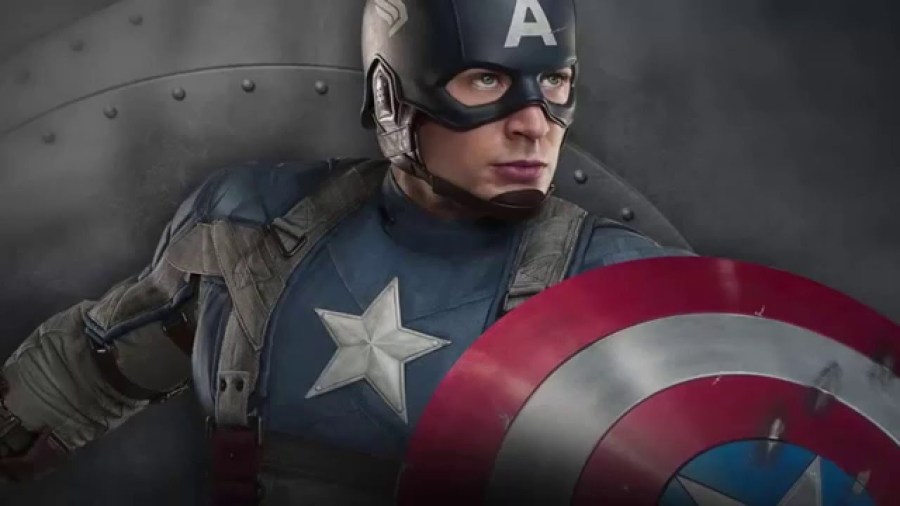
I went to see Captain America: Civil War last night. Nothing wrong or strange in that by itself, but then I thought about the last few films I’d seen at the cinema. Before this it was Deadpool and before that it was Star Wars. Two comic book adaptations and a family film. Going back further, the last film I saw that wasn’t a comic book film or a family film was The Martian, a sci-fi film.

Still nothing wrong with this. Thanks principally to the cost of a visit I don’t visit the cinema very much any more so when I go, I want to be guaranteed to be entertained. Seeing something that may challenge me or not be to my tastes is more of a risk when there’s the best part of £20 on the line.

So then I thought about TV. Currently, the two shows I’m watching most are Game of Thrones and iZombie. Again, both somewhat genre. Over the last few months, I’ve also eagerly consumed Daredevil, Jessica Jones and Gotham – three more comic book conversions. Bear in mind this is from someone who is not a comic book reader (send your hate mail to no1 Noteveryonehastolikeeverything). That same description can be levelled at many of my friends who have also enjoyed these shows. So what, one might ask, is up?

I think the answer is partly about me and partly about what is is we consume. I’ll address the first first because it’s easier. I’m something on an expert on myself.

When I was in my late teens studying English literature at A-Level, I voluntarily tried to read a number of classics. I switched genres and read things out of my comfort zone. At the same time I was happy to go to art house cinemas and watch indie films about a dysfunctional family in the mid-west (as I write this I’m not entirely convinced that wouldn’t have bored me then but the point stands). Scenes of actors looking out silently at the landscape seemed to hold meaning for me then.

Now in my thirties when I’m supposed to be sensible and mature I just don’t have the patience for this any longer. I tried to watch the much-critically acclaimed The Master a few years ago and was almost to the point of tears for the lack of plot or action. Cohen brothers’ films seemed to send me to sleep. As for challenging documentaries, I can honestly say there’s enough depressing stuff in my head already. In short I have become a total pleb.

These days entertainment is paramount in my entertainment and this is one of the reasons genre films appeal. They don’t waste my time, usually. They have a plot and they have action and, most of the time, they have a resolution. I don’t have to spend time afterwards wondering about the meaning of what I just saw or interpreting what the message was. My post-game analysis focusses on whether I enjoyed it or not. In a sense, in a life with a job and worries and writing as my creative outlet I can only spare so much brain-space for films as well.

With TV I think it is slightly different. In a post box-set revolution world of binge-watching streaming services, TV has changed. TV has become more like novels with long narrative arcs and plenty of time for reflection. Actors can now stare out into space because they’ve got another 9 hours to do the action stuff. Contrary to films, it doesn’t feel like eating up valuable time.

TV has also become emboldened and a lot of what we’re watching now just wouldn’t have been made previously. Budgets weren’t forthcoming as they now are and this is another reason I think we have so much genre TV now. Fantasy used to look naff and cheesy on TV because they hadn’t paid for it to look otherwise. The acting was hammy because good actors couldn’t be lured to do it. It’s less embarrassing to watch Game of Thrones than Hercules, principally, because it’s a much higher quality product.

Now we are in a virtuous cycle for genre pieces. They get more money and make something good, because it’s good it gets more credibility; with credibility more quality actors, directors, writers etc get drawn to these projects and they are consequently better, starting the cycle again. That’s why, my decreasing maturity notwithstanding, I’m not alone in watching about dragons and superheroes.

Is there a downside to any of this? Simon Pegg wrote an interesting piece a while ago about how as adults we are having our childhoods sold back to us to keep us infantilised. There’s a lot of truth in this. Many things that used to be for kids now successfully populate the adult world. You see people who were once considered too old for it getting excited about Dr Who, lining up to watch the latest Star Wars film and openly discussing which superpower they’d have. The average age of a gamer is 35 not 15, as all non-gamers would love you to believe. People proudly instagram themselves at conventions, where before it might have been a guilty pleasure. Fear of being labelled a nerd isn’t what is used to be.

All this might be more concerning if genre pieces were cheap and unthinking. Fortunately, this is increasingly not the case. If you see a number of films this year, the dumbest one you see won’t be a genre piece in all likelihood. Increasing success has led to increasing confidence and genre TV shows and films are more prepared than ever to ask deep questions. Having a costume doesn’t mean you can’t have the same existential trials as someone in a beret and turtle neck.

What if this is the only place people are finding this though? Is it not a bad thing if we are substituting real intellectual rigour for their slick, simplified versions in entertainment? Yes, thinking a little should not be a substitute for thinking a lot but I’m not sure it works that way. Most the people I know who love genre are also highly-engaged, informed and politically active. Ultimately, if dumb fun becomes a little less dumb then that’s a good thing. After all, I was never going to watch a documentary tonight anyway.

Where is the Dragon? New Edition for Apprentice released!

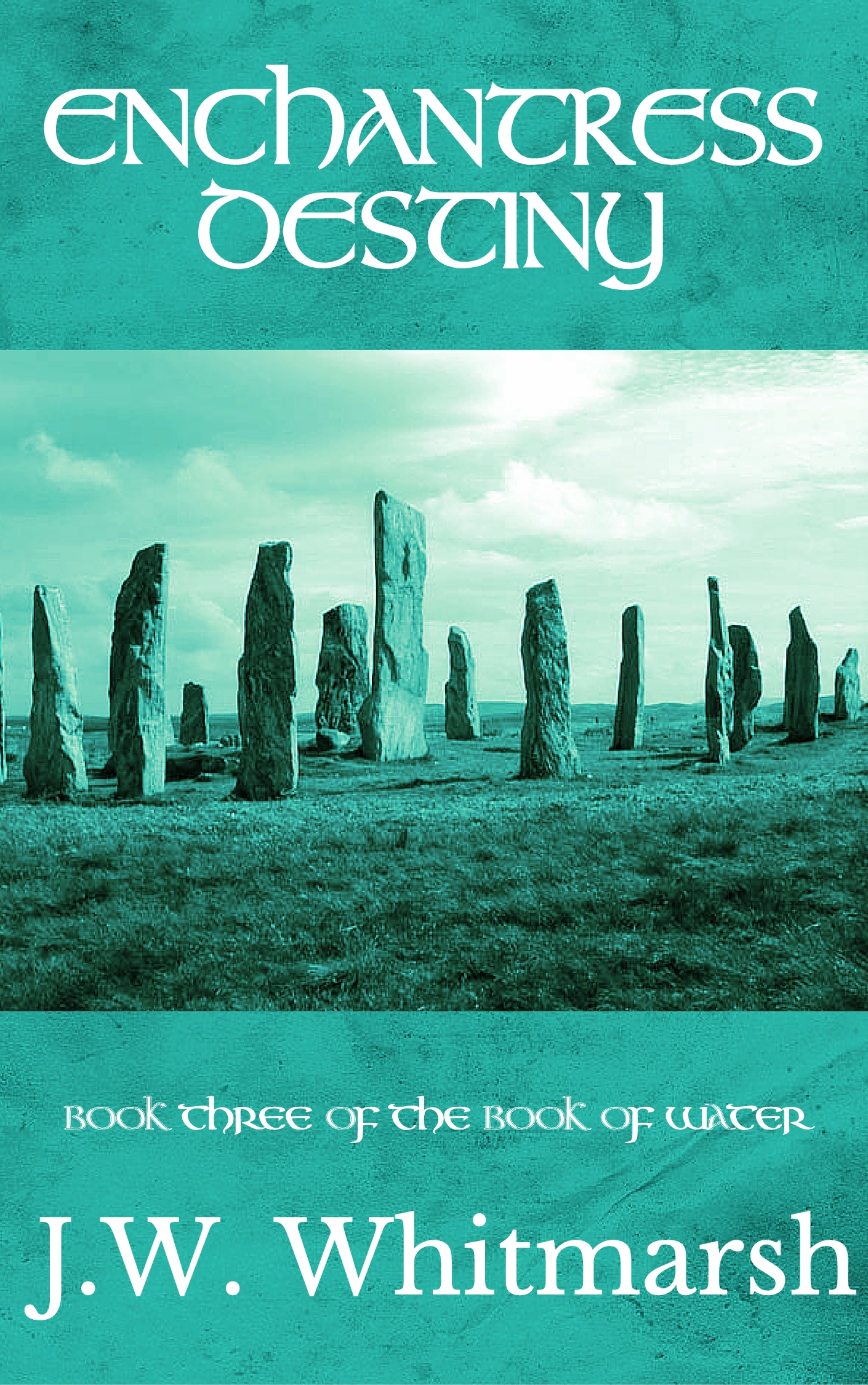
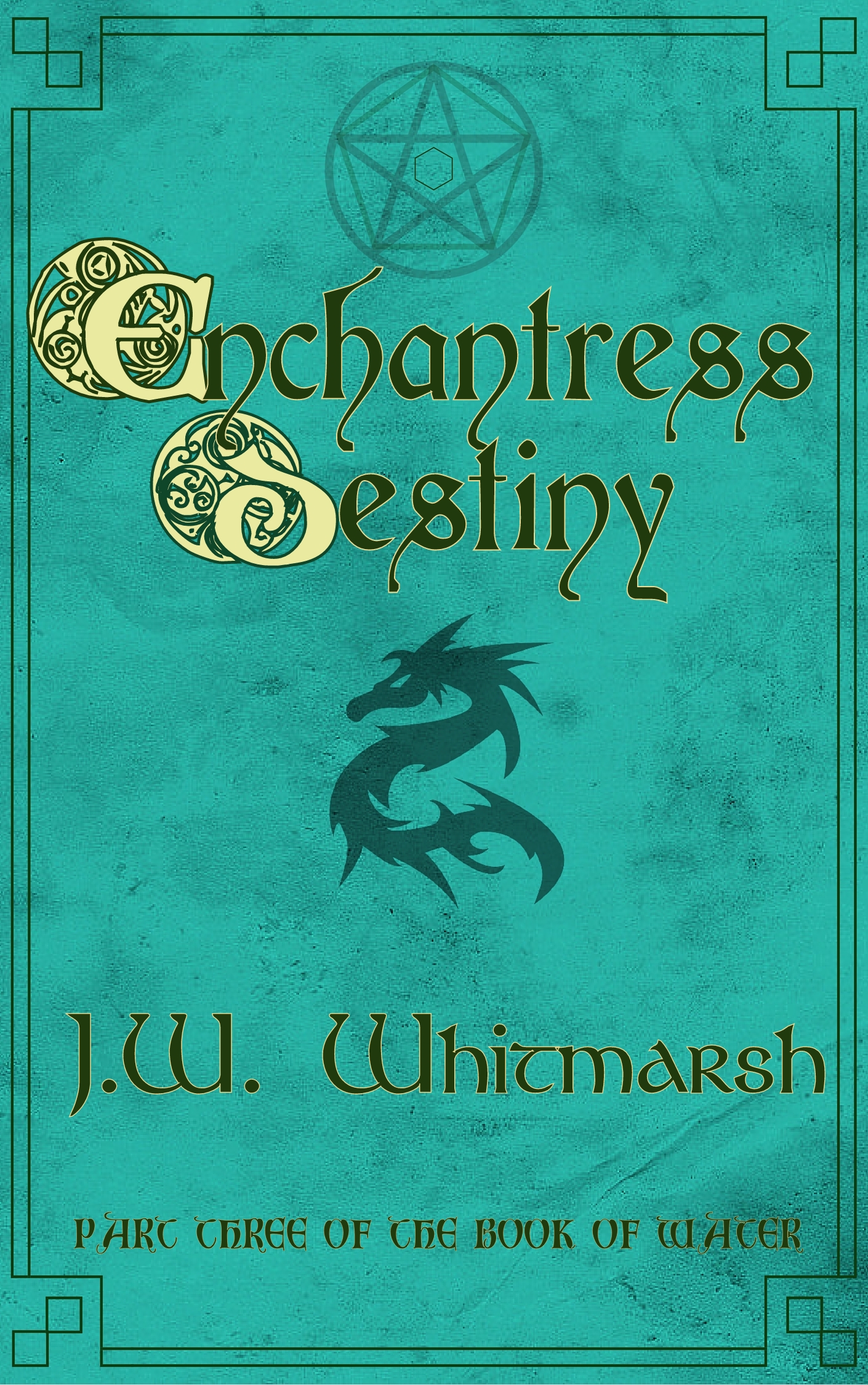
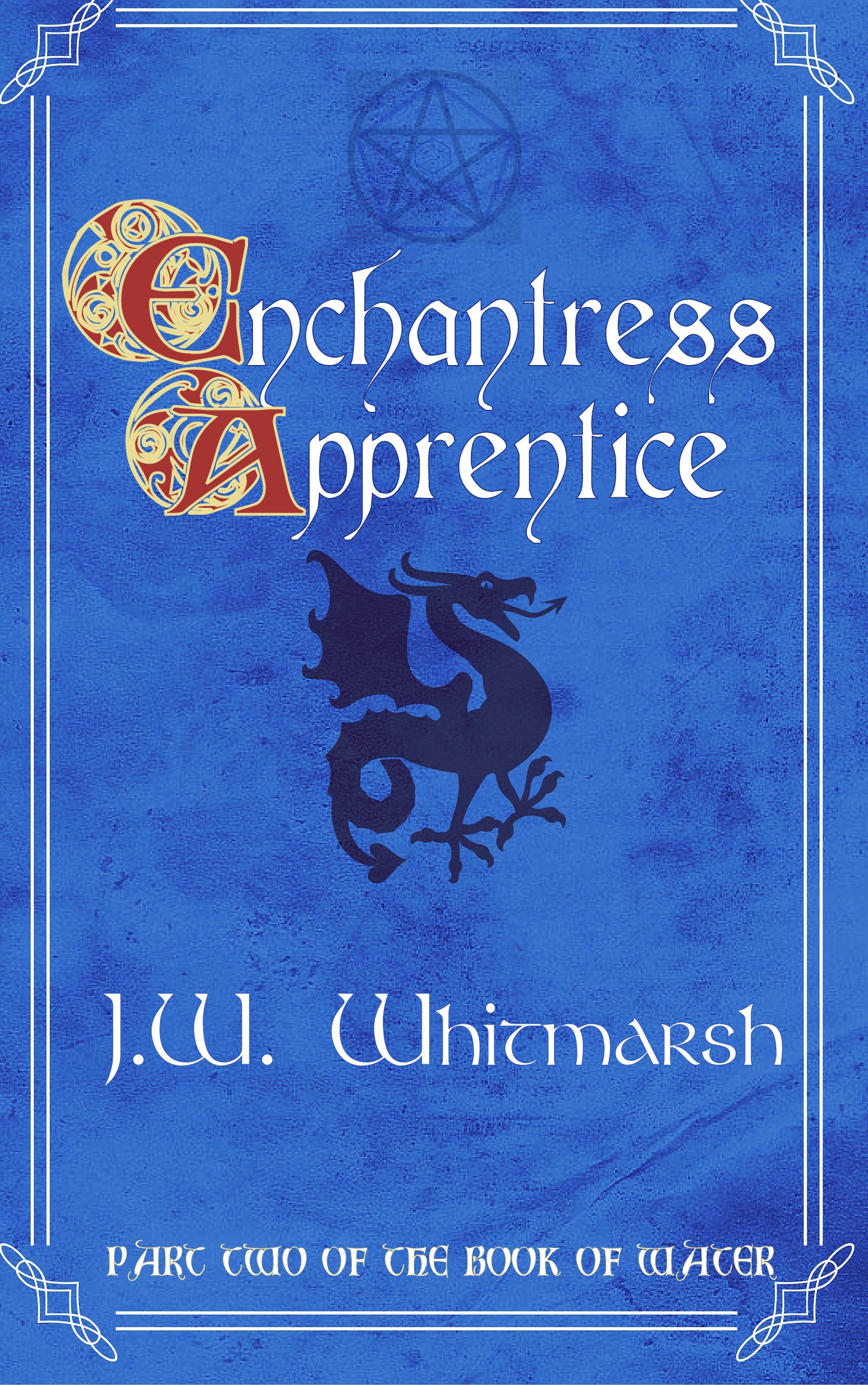
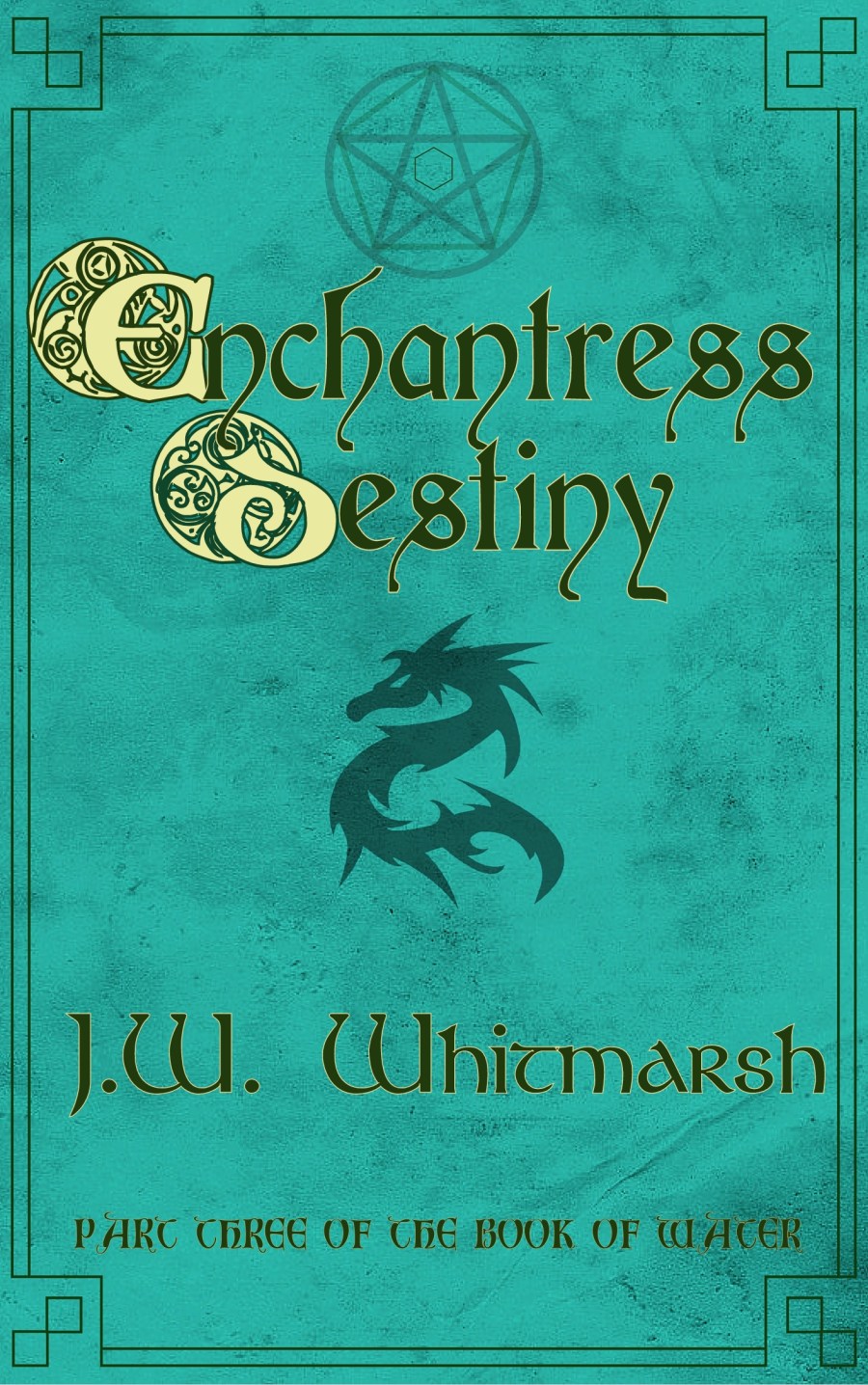
Yes. The spellbound edition for Enchantress Apprentice is now available on Amazon. Click on the link below to find it or go to this page to choose between the spellbound and stone editions of the book. Dragonard2

Links for spellbound edition by country;

US, UK, Can, Aus, Fra, Ita, Ger, NL, Ind, Jap, Bra, Esp, Mex

What kind of wizard are you? – A Quiz.

Ever wondered what kind of wizard you would be? No, we not talking sorting hats here, we’re talking about how your personality and power would come together. In the Book of Water (Enchantress Trilogy) by our author JW Whitmarsh there are four different kinds of wizard; enchanters, illusionists, seers and druids. Each have distinct approaches and perspectives but, ultimately, it is the person inside who shapes how the wizard comes to their power.

After a quick word from the author find out where you would sit

Nexus-Fiction: We’re trying to decide what kind of wizard people would be if they were born gifted in the world of the Elemental Cycle. Maybe we should start with some famous examples.

JW Whitmarsh: OK, but bear in mind this would mean they would have to be limited by the lore of my world. You can’t really dump a character from another world into a distinct fictional construct cohesively.

NX: Indulge us.

JW: Very well.

NX: Right. Let’s start with a biggie. Gandalf?

JW: Difficult. I think you’d have to treat Gandalf the Grey and Gandalf the White differently. Gandalf the Grey seems to have an affinity with fire magic principally, which says enchanter, but he also does defensive wards and shields in the manner of a seer. I’m going to say seer with exceptional skills in elemental charms. Gandalf the White on the other hand is all about light magic and in the Elemental Cycle world he’d probably be a summoner like Loreliath, but that’s not an option in this test.

NX: Alright, Merlin?

JW: The recent TV Merlin on BBC seemed to be a seer mostly but if we’re talking about the Merlin of legend he would definitely be an illusionist.

NX: Prospero?

JW: He is quite controlling and gets others to do his bidding a lot so I’d say he’d be an enchanter.

NX: Who’d be a druid?

JW: Radagast the Brown would fit very comfortably into the druid role, I think. Or Herne the hunter.

There you have it. Now it’s your turn to decide what you would be.

Question 1: If you had to face one of the following, which would you LEAST want?

  1. Going blind
  2. Losing both hands.
  3. Losing sense of taste and smell
  4. Going deaf

Question 2: It’s raining hard outside and you want to pass the time. Pick the game that would amuse you best.

  1. Poker
  2. Chess
  3. Blackjack
  4. Dominoes

Question 3: Your bedroom is drab and spartan. You can cheer it up with one thing, which would you choose?

  1. A teddy bear
  2. A plant
  3. A ceiling painting of the stars
  4. An encyclopaedia

Question 4: You have to go onstage and entertain a crowd for a short time. What is your act?

  1. A Stand-up routine
  2. Juggling
  3. Magic tricks
  4. A poetry recital

Question 5: Which danger sign would most likely adorn your workshop.

  1. 1024px-Flammable-symbol.svg 2. electricity 3. 2000px-WHMIS_Class_D-1.svg.png4. 2000px-Danger_radiation.svg

Question 6: You’re worried about security for your home, which do you invest in?

  1. A state-of-the-art alarm system
  2. Beefing up the neighbourhood watch
  3. A guard dog
  4. Hidden traps

Question 7: Which of the following phobias bothers you LEAST

  1. Crowded places
  2. Spiders
  3. Heights
  4. Snakes

Question 8: You’ve got some time to relax, what do you want to do?

  1. Take a walk in the park
  2. Visit an art gallery
  3. Listen to classical music
  4. Have a massage

Question 9: You have to commit a bank robbery and want to use as little violence as possible, how would you go about it?

  1. Fill the bank with smoke and set off the fire alarm to get all the employees out first.
  2. Hack the security cameras so you can pass by unseen.
  3. Convince the bank manager that you have his family hostage
  4. Pump a sedative into the air conditioning to send everyone to sleep

Question 10: You are in fear for your life, how will you protect yourself?

  1. Find a vantage point from where you can see anyone approaching.
  2. Escape to deep within the forest
  3. Surround yourself with the best guards you can find
  4. Retreat into a cave network that you know intimately

Answer Time.

Add up the following scores for each question. Pens and pencils ready.

1: 1)d  2)b  3)a  4)c        2: 1)d  2)c  3)b  4)a    

3: 1)b  2)a  3)d   4)c       4: 1)b  2)c  3)d  4)a

5: 1)b  2)c  3)d  4)a       6: 1)c  2)b  3)a  4)d

7: 1)b  2)d  3)c  4)a       8: 1)a  2)d  3)c  4)b

9: 1)d  2)c  3)b  4)a        10: 1)c  2)a  3)b  4)a

Mostly As Click Here     Mostly Bs Click Here    Mostly Cs  Click Here     Mostly Ds Click Here